






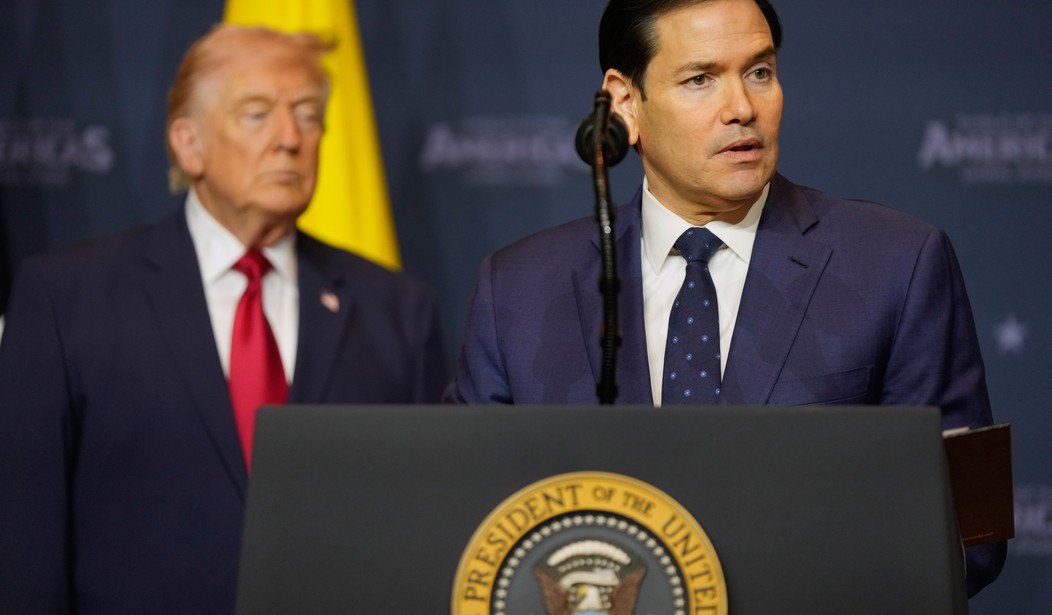
The Trump administration's latest sanctions, targeting Cuba's military-controlled conglomerate GAESA and related entities like Moa Nickel, mark a clear-eyed effort to disrupt the regime's financial lifelines. Secretary of State Marco Rubio has defended the move by highlighting how these operations funnel resources away from ordinary Cubans and into the pockets of the ruling elite.
While critics decry any pressure on Havana as harsh, the reality is more straightforward: Decades of engagement have failed to loosen the Communist Party's grip, while the Cuban people continue to endure shortages and repression.
GAESA operates as the economic engine of the Revolutionary Armed Forces, controlling key sectors from tourism to retail and finance. Its activities have long subsidized a system that prioritizes regime survival over citizen welfare.
Sanctioning it, along with the nickel joint venture, aims to starve that apparatus of hard currency rather than punish everyday Cubans. History shows that resources flowing through military channels rarely translate into broader prosperity on the island. Instead, they sustain the very structures that stifle dissent and economic freedom.
.@SecRubio educates the Fake News: "Our sanctions are against a company named GAESA. This is a holding company set up by generals in Cuba that has generated billions... Not once cent of it benefits the Cuban people." pic.twitter.com/Xtees2AV6l
— Rapid Response 47 (@RapidResponse47) May 8, 2026
This policy comes amid ongoing debates about the U.S. approach to Cuba, including the longstanding embargo and recent measures tightening restrictions on oil shipments. Cuba faces real energy challenges, with blackouts and fuel shortages affecting daily life. Yet those hardships stem first from decades of mismanagement, corruption, and ideological rigidity under the regime. External pressure can highlight those failures; it does not create them.
READ MORE: Trump Drops a Cuba Bombshell — Joke or Warning Shot?
Jayapal Torched for Betraying America: Brags About Working With Foreign Powers Against Trump on Cuba
Enter Rep. Pramila Jayapal (WA-07). The Washington Democrat recently returned from a delegation to Cuba and has been vocal in her criticism of U.S. policy, describing sanctions as "economic bombing." More concerning, she has acknowledged engaging with foreign ambassadors, including those from Mexico and others in Latin America, to explore ways to deliver oil to the island despite American restrictions. She framed this outreach as part of her congressional responsibilities.
🚨 ¿Qué repercusiones reales pueden tener las sanciones de EE.UU. a GAESA contra el Estado totalitario cubano?
— Cleo (@Cleopat23611172) May 7, 2026
Hoy, 7 de mayo de 2026, el Departamento de Estado sancionó al Grupo de Administración Empresarial S.A. (GAESA), su presidenta (la general Ania Guillermina Lastres… pic.twitter.com/D3V4JirLgw
This raises serious questions about where legislative advocacy ends and active undermining of U.S. foreign policy begins. The United States maintains sanctions and restrictions on Cuba for legitimate reasons rooted in national security, human rights, and the regime's history of supporting adversaries. Working with third parties to circumvent those measures risks violating the spirit, if not the letter, of existing law and policy.
USA dicta plazo hasta 5 d junio para que todas las empresas extranjeras liquiden vínculos con GAESA.
— Rhodes Espinal (@RhodesEspinal) May 9, 2026
🤔 Qué es #gaesa Poderoso grupo empresarial propiedad d las Fuerzas Armadas Revolucionarias d Cuba, controlan más del 40% d la economía allí, sin fiscalización alguna. Gansters 😎 pic.twitter.com/nJetsSDJyR
It undercuts the leverage needed to push for genuine reforms, such as releasing political prisoners and allowing real economic openings. The view here does not demand endless isolation for its own sake. It recognizes that rewarding a repressive system with unrestricted trade and investment has not produced the hoped-for liberalization.
Past attempts at normalization delivered tourism dollars and some limited openings, yet political control tightened and the military's economic dominance grew. Targeted sanctions on regime enablers, by contrast, apply pressure where it can matter most—on those who profit from the status quo.
Tag '@gptzeroai' to fact check any tweet 🔍
— GPTZero (@GPTZeroAI) May 9, 2026
The thread asserts that the US has issued a June 5, 2026 ultimatum for companies to cut ties with GAESA, under penalty of secondary sanctions. Recent reports from CiberCuba and Americateve back this claim, though sources like Univision…
Cuba's challenges are real, and humanitarian concerns deserve attention. But solutions lie in encouraging the regime to respect basic freedoms and open its economy, not in shielding its military conglomerates from consequences. Jayapal's approach, focused on easing external constraints while offering little pressure for internal change, risks prolonging the very suffering she highlights.
Effective policy requires consistency. The administration's actions against GAESA send a message that the United States will not subsidize repression through commerce. Lawmakers should debate the best path forward, but they ought to do so without stepping into the role of circumventing duly enacted American strategy. Accountability for the regime, not accommodation, offers the more realistic route toward eventual progress for the Cuban people.
Editor’s Note: Thanks to President Trump and his administration’s bold leadership, we are respected on the world stage, and our enemies are being put on notice.
Help us continue to report on the administration’s peace through strength foreign policy and its successes. Join RedState VIP and use promo code FIGHT to receive 60% off your membership.
Join the Conversation
VIP members get the ability to comment on articles.