






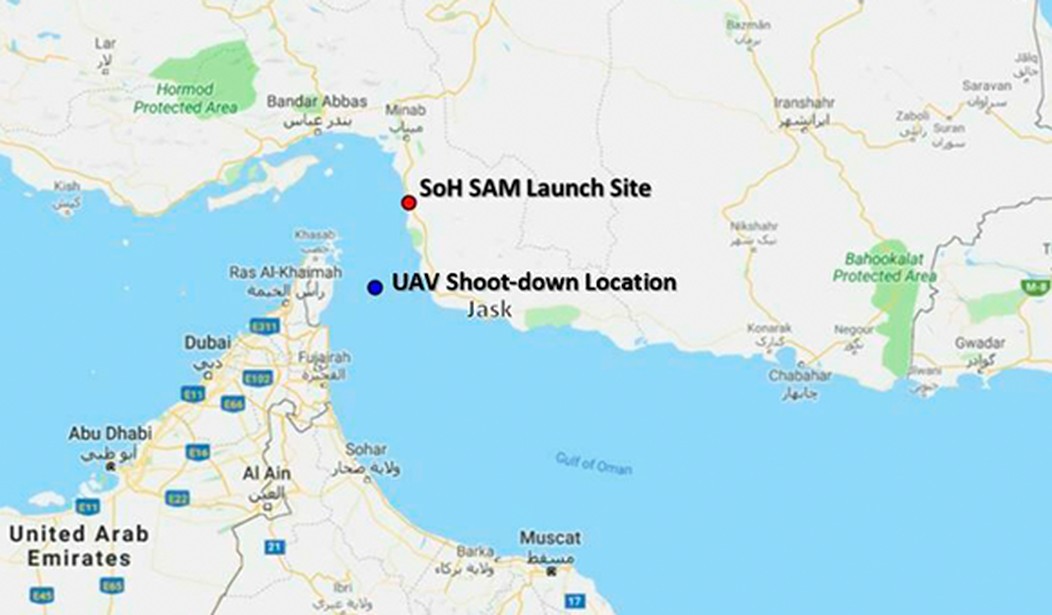
President Donald Trump is doing something American leaders have avoided for too long. He is telling China and other major importers of Gulf oil that if they want the benefits of open sea lanes, they need to help protect them.
White House has asked China to delay summit with Xi for a month or so, Trump says. "We got a war going on," Trump says in Oval. pic.twitter.com/mThyiw30Oz
— Jennifer Jacobs (@JenniferJJacobs) March 16, 2026
According to an interview with the Financial Times, Trump has warned that he may delay his state visit to China if Beijing will not assist in keeping the Strait of Hormuz open. He notes that China gets a large share of its oil from the Middle East and argues it is only fair for countries that rely on that route to shoulder part of the burden.
U.S. Trade Representative Jamieson Greer on the talks with China:
— Tabz (@TabzLIVE) March 16, 2026
What we concluded today really are the general terms of a work plan between now and the meeting between the presidents, with the idea that there will be potential deliverables at that meeting.
We, of course,… pic.twitter.com/HEKYNk7jMT
The criticism came fast. A state media editorial in China framed Trump’s appeal as an attempt to push other nations into carrying the “risks of a war that Washington instigated and cannot resolve.” It warned that sending more warships into a tense waterway would create flashpoints and claimed Beijing prefers to focus on ending the conflict. This is a neat narrative for China, but it leaves out one key fact. Someone has to keep the oil moving.
President Trump Made a Courageous and Correct Call on Hormuz and Iran's Actions Prove It
Keep an eye on China. They just lost control over 35% of their oil imports between Iran and Venezuela. A couple events of note:
— Gordo (@GordoCDA) March 16, 2026
-President Trump is considering delaying his summit with Xi Jinping.
-The US Navy has moved minesweepers from the Persian Gulf to the Pacific.
The Strait of Hormuz is a central artery for the global energy market, not just an American corridor. Chinese customs data show that, even with rising imports from Russia, China still draws a large share of its oil from the Middle East, with Iran, Saudi Arabia, and Iraq all in the mix. The European allies Trump called out, as well as Japan and South Korea, also depend on stable energy flows. They are not bystanders watching a purely American dispute. They are stakeholders.
Day 16‼️ - 🚨not a single country has agreed to help with the Strait.
— V (@Valiant16536285) March 16, 2026
Donald Trump says he could delay his trip to China later this month if Beijing doesn’t help in unblocking the Strait of Hormuz. — FT
That is the core of Trump’s message. If nations are “impacted by this artificial constraint,” as he wrote on his social media platform, they should send ships and show they are willing to defend the system that keeps their economies running. For years, Washington has been told it acts like the world’s policeman. When a president asks others to take up a post on the beat, they accuse him of dragging them into danger. They want the benefits of security without the responsibilities that come with it.
European leaders are not spared either. Britain recently said it would send a carrier group to the area. Trump brushed off the announcement and suggested London was showing up late to a fight the United States had already handled. That may sound blunt, but there is a serious point underneath. Sporadic gestures do not equal a strategy. If Europe believes in open trade routes, it should act like a long-term partner, not an occasional guest star.
China’s foreign ministry has tried to keep the planned state visit on track, praising the importance of “head of state diplomacy” and stressing the need for calm in the Gulf. There is nothing wrong with calling for de-escalation. The problem is when calls for calm become a cover for letting someone else do the hard work of deterrence.
Trump’s threat to postpone the trip is a test of whether Beijing is willing to accept that it is now a major power with major power obligations. It cannot present itself as a champion of global stability, enjoy discounted sanctioned oil from Iran, and then complain when asked to help keep the sea lanes open. If China wants a say in how the world is run, it cannot sit out the moments when it might have to share the risk.
Americans have paid the price in blood and treasure to secure global commerce for decades. Asking other beneficiaries to stand a watch in the Strait of Hormuz is not provocative. It is overdue.
Editor’s Note: Do you enjoy RedState’s conservative reporting that takes on the radical left and woke media? Support our work so that we can continue to bring you the truth.
Join RedState VIP and use the promo code FIGHT to get 60% off your VIP membership!

Join the Conversation
VIP members get the ability to comment on articles.