








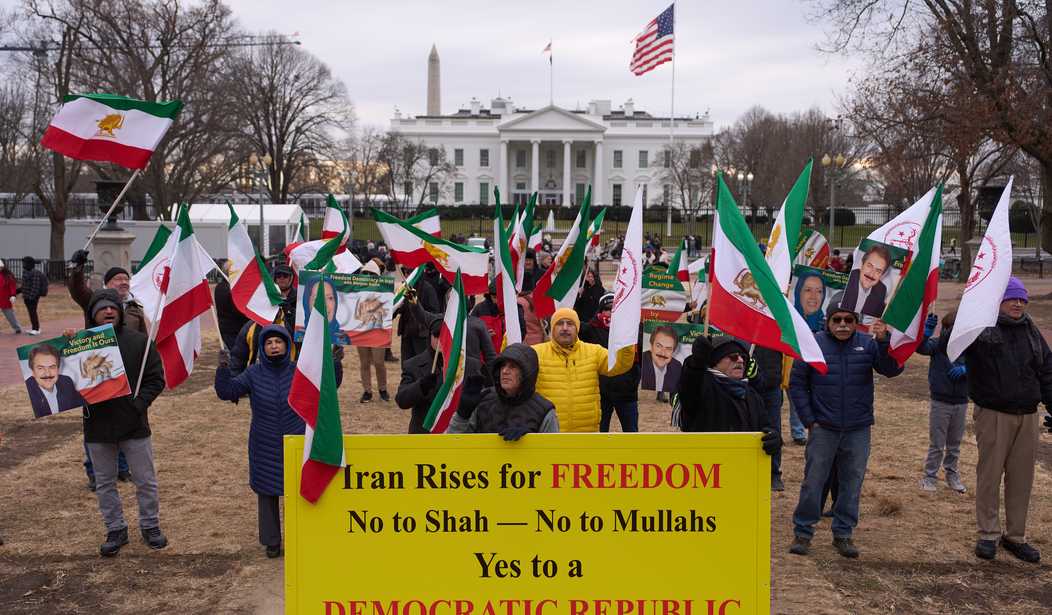
The ongoing unrest in Iran has gripped global attention. Sparked by a dramatic collapse of the Iranian rial — plunging to record lows around 1.4 million to the US dollar amid soaring inflation exceeding 40-50% and skyrocketing food prices — the protests have evolved into nationwide calls for regime change. Demonstrations span all provinces, with reports of brutal crackdowns including internet blackouts (imposed since early January), live ammunition against crowds, mass arrests, and death toll estimates ranging from hundreds to potentially thousands.
This movement appears more sustained and widespread than the 2022 Woman, Life, Freedom protests following Mahsa Amini's death, fueled by deep economic despair intertwined with longstanding political grievances. Activity has been particularly intense in Kurdish-populated northwest provinces like Kermanshah and Ilam, where opposition groups have called strikes and condemned regime violence.
In this interview-style piece, we speak with Richard Eagleton, a filmmaker and longtime observer of Kurdish affairs. As the son of the late U.S. diplomat William Eagleton — who served as American consul in Tabriz, Iran (1959–1961), and held numerous high-level posts across the region, including Principal Officer in Iraq (1980–1984) and Ambassador to Syria (1984–1988) —Richard draws on a family legacy deeply immersed in Iranian and Kurdish history. William Eagleton was a renowned expert on Kurdish issues, authoring seminal works like The Kurdish Republic of 1946.
Iran’s security forces may have used lethal chemical weapons against them. Former British MP Bill Rammell stated that the Iranian authorities might have used toxic chemical substances during the deadliest suppression of protests in the country's modern history, citing a credible… pic.twitter.com/8aj0gWYo2s
— Mike (@Doranimated) January 17, 2026
BRAD ESSEX: Richard, thank you for joining us. These protests in Iran began over economic issues but have quickly escalated into calls to end clerical rule, with chants targeting Supreme Leader Ayatollah Ali Khamenei. How does this compare to previous waves, like 2022?
RICHARD EAGLETON: This feels different—more sustained and geographically broad. The 2022 protests were powerful but more focused on social freedoms and women's rights. Here, the trigger is raw economic pain: hyperinflation, a currency in freefall after recent conflicts and sanctions, and everyday goods becoming unaffordable. That hits bazaars, universities, small towns, and ethnic regions alike. It's fused economic desperation with decades of political frustration, making it harder for the regime to contain.
ESSEX: Kurdish areas in the northwest have been hotspots, with groups like the Kurdistan Democratic Party of Iran (KDPI) calling strikes. What does this mean for Kurdish aspirations in Iran?
EAGLETON: The Kurds have long faced cultural suppression, but under the current theocracy, it's intensified with ideological crackdowns. Pre-1979, under the Shah, there was modernization and relative stability — though still authoritarian — without the same level of religious enforcement. Kurds participated in society more openly, even if cultural rights were limited. Today, the protests highlight regime vulnerabilities, especially along borders. But I remain skeptical about a path to outright independence for Iranian Kurds. Divisions persist: historical rivalries among tribes, families, and parties like the KDPI (dating back to the 1940s). There's no single unifying leader with the charisma or international pull needed. External pressures from Tehran, Ankara, and Baghdad further fragment things.
BREAKING: Videos are slowly trickling out of Iran.
— Eyal Yakoby (@EYakoby) January 17, 2026
The protests have not stopped.
The Iranian people will not be deterred. pic.twitter.com/wKmXKfcWkC
SEE ALSO: Saudi Arabia Now Eyeing Regional Power Vacuum As Iran Crumbles
Hacked! Iranian State Run TV Taken Over for More Than 10 Minutes by Anti-Regime Forces
ESSEX: Looking at Iraqi Kurdistan as a model—the most successful Kurdish entity—what lessons apply here?
EAGLETON: Iraq's Kurdistan Region (KRG) has shifted pragmatically. After the 2017 independence referendum's overwhelming support, the fallout — military setbacks, economic isolation — taught hard lessons. Now, under leaders from the Barzani and Talabani families, the focus is on autonomy within Iraq: revenue sharing, security cooperation, and partnerships. The Peshmerga's role against ISIS proved their value as stabilizers, not separatists. A cross-border alliance with Iranian Kurds could theoretically push for greater self-determination, but tribal rivalries, economic ties, and geopolitics often undermine it. Independence without broad international backing and internal unity risks collapse — something Iraqi Kurds learned the hard way.
ESSEX: Reza Pahlavi, the exiled son of the last Shah, has gained some traction, with chants supporting him and positioning himself as a transitional democratic leader. Is a monarchy restoration realistic?
EAGLETON: Pahlavi has visibility and some street support, but most Iranians — especially after 45+ years of theocracy — are unlikely to embrace another Shah. They've seen authoritarian rule before. People want genuine democracy: free elections, accountability, economic opportunity. Many in the diaspora thrive in open systems; those inside demand the same. A return to monarchy feels like a step backward for many.
This is allegedly video of Iranian protesters storming the headquarters of the Iranian internal security forces, destroying the building and freeing prisoners.
— David Jacobs (@DrJacobsRad) January 18, 2026
I have no way of verifying the video or information.
If true, they are incredibly brave.#IranRevoIution2026 pic.twitter.com/7kXbew4hVg
ESSEX: Finally, what about U.S. policy? With Kurds in Iraq as reliable allies against terrorism and Iranian influence, how might Washington respond if the regime weakens further?
EAGLETON: The Iraqi Kurds remain a strategic foothold — proven during ISIS, with shared interests in stability. If Tehran falters, the U.S. would likely lean on proven partners rather than untested monarchist ideas. The protests expose regime fragility: divided forces, economic collapse, ethnic tensions. But change requires opposition unity — something Kurds know well from their fractured history. The Kurdish struggle for self-determination is legitimate and centuries-old. Yet realism matters: effective governance, alliances, and international support yield more than chaos-driven declarations. For those valuing strong alliances and accountable government, supporting reliable partners advances freedom without wider disorder. The Iranian people deserve better than this regime. Whether through reform, transition, or something else depends on courage inside Iran — and wise support from afar.
Editor’s Note: Do you enjoy RedState’s conservative reporting that takes on the radical left and woke media? Support our work so that we can continue to bring you the truth.
Join RedState VIP and use the promo code FIGHT to get 60% off your VIP membership!

Join the Conversation
VIP members get the ability to comment on articles.