






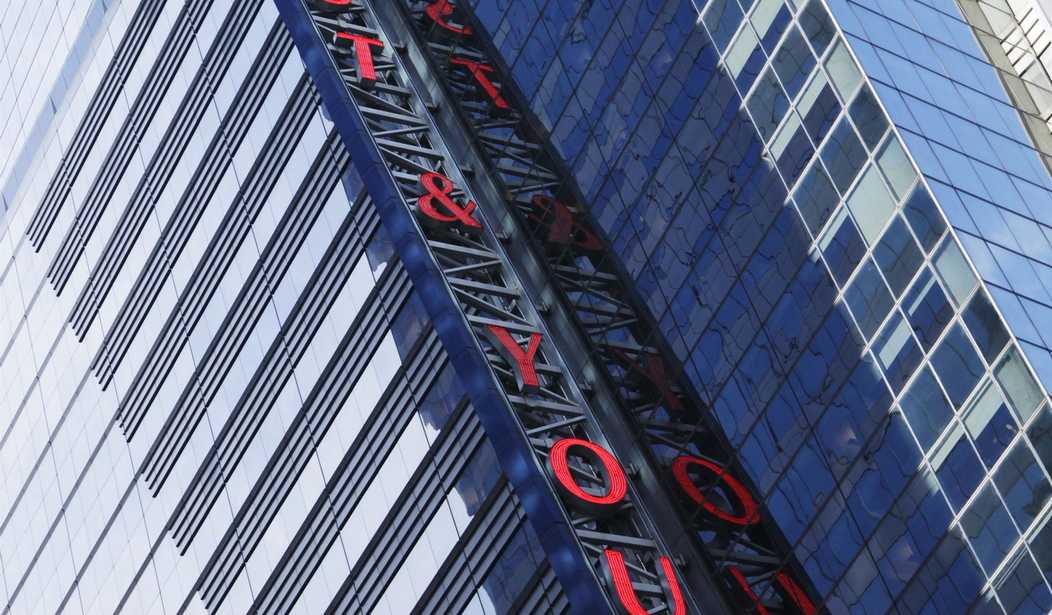
The four largest accounting firms in the world are facing a pointed question from 16 Republican state attorneys general: If you're supposed to be an independent auditor, why were you also helping push climate rules your clients could wind up paying you to navigate?
Deloitte, Ernst & Young, KPMG, and PricewaterhouseCoopers (PwC) received a 38-page letter demanding answers regarding their involvement in international climate disclosure and net-zero initiatives. The attorneys general say those commitments conflict with the firms' professional duties of independence, integrity, and objectivity, and may have violated state consumer-protection laws.
Nebraska Attorney General Mike Hilgers, who co-led the coalition with the attorneys general of Texas, Florida, and Alaska, didn't limit his concerns to the boardroom.
“The Big 4’s climate commitments force clients to make burdensome climate-related disclosures that drive up the costs of their services and place onerous requirements on farmers and small businesses. These costs will ultimately be passed onto consumers, who will be forced to bear the burden of increased prices for food, energy, and other everyday products.”
The Big Four championed several major climate initiatives, including the Task Force on Climate-related Financial Disclosures, the Net Zero Financial Service Providers Alliance, and the International Sustainability Standards Board.
Under the Net Zero Financial Service Providers Alliance, the firms committed to aligning relevant products and services with achieving net-zero greenhouse gas emissions by 2050 or sooner. In 2023, they also joined companies and trade groups in signing a declaration supporting wider adoption of the International Sustainability Standards Board's climate reporting standards. About 45 jurisdictions have said they intend to use ISSB reporting. The United States isn't one of them.
Then there is the money.
The same firms pushing climate-related reporting also sell consulting and assurance services to companies dealing with those reporting requirements. The attorneys general want to know how much the Big Four made from climate-disclosure assurance, sustainability reporting, and ESG consulting over the past five fiscal years.
The letter asks the firms directly.
It also does not go unnoticed that the Big Four stand to financially benefit from pushing climate-related disclosures and reporting through the for-profit services you offer.
The coalition raises questions about whether climate commitments infected work that is supposed to be independent. The attorneys general point specifically to accounting standards that require auditors to remain impartial and not advocate for a particular result when examining a company's financial statements.
One example involves greenhouse-gas reporting. The Task Force on Climate-related Financial Disclosures framework supported disclosure of Scope 1 and Scope 2 emissions regardless of whether that information was considered financially material, according to the letter. It also encouraged reporting of Scope 3 emissions.
The attorneys general say that creates another problem. Accounting firms normally determine whether information is material, meaning significant enough that it could affect an investor's decision. The coalition wants the Big Four to explain how supporting climate disclosures regardless of materiality squares with those professional obligations.
The firms weren't subtle about what they were trying to accomplish. Deloitte has said it is helping “lead the way toward a low-carbon future,” while KPMG described helping clients reduce their environmental footprint as its “most important contribution” to a net-zero society.
Now the attorneys general want the paperwork.
Their requests include documents related to the firms' climate commitments, information about how those commitments were disclosed to audit clients, five years of revenue from climate and ESG-related services, and copies of state and municipal contracts dating back to 2020. They also want the firms to explain what safeguards, if any, kept climate objectives from influencing audit work.
The stakes go beyond a strongly worded letter. The coalition says misleading representations about independence could violate state consumer-protection laws. State contractual provisions could also come into play, potentially exposing the firms to penalties or termination of government contracts.
For Deloitte, the questions arrive during an already costly week. The firm separately agreed to pay $21.5 million to resolve federal allegations that it violated anti-discrimination requirements tied to government contracts. According to the allegations, Deloitte tracked demographic goals, tied compensation for roughly 150 of its most senior partners to those goals, and circulated a spreadsheet identifying promotion candidates by race and sex while discussing how to “equitably maintain the current mix.” Deloitte denied wrongdoing, as settling companies typically do.
Sixteen states are now holding the receipts. The Big Four spent years selling independence while quietly cashing checks from the climate agenda they were pushing. Now they'll have to explain, in writing, to prosecutors exactly how those two sides of the business never crossed paths. Good luck with that.
Editor’s Note: Thanks to President Trump’s leadership and bold policies, America’s economy is back on track.
Help us continue to report on the president’s successes and combat the Democrats' lies about America's economic revival. Join RedState VIP and use promo code FIGHT to receive 60% off your membership.

Join the Conversation
VIP members get the ability to comment on articles.