








Independent Rep. Kevin Kiley (CA-03) is moving to hit high-tax states where it hurts: their federal funding.
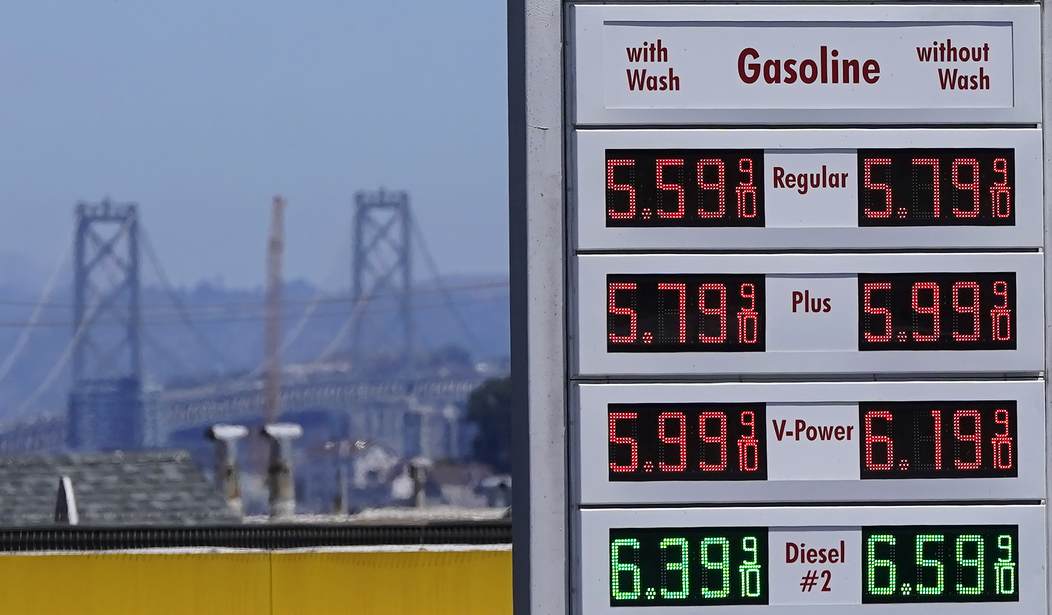
Kiley has now introduced the “Gas Tax Reduction Act,” a bill that would cut federal highway funding to states that maintain gas taxes at or above $0.50 per gallon — a direct financial penalty tied to state tax policy. The bill targets states like California, where gas taxes are among the highest in the nation and pump prices remain high.
Democrats in high-cost states are facing renewed scrutiny over gas prices and affordability, particularly in places like California, where state taxes account for a large share of what drivers pay at the pump.
The bill directs the Transportation Secretary to withhold 8 percent of federal transportation funds from any state exceeding the $0.50 threshold, with the penalty applied through existing highway funding streams, including the National Highway Performance Program and the Surface Transportation Block Grant Program.
Kiley first outlined the proposal in early February, when he said states with gas taxes above 50 cents per gallon would face reductions in federal funding tied to those same programs. He later said the plan mirrors federal policies that link transportation funding to state compliance with issues such as the drinking age and DUI laws.
Kiley has framed the proposal as a direct response to high-tax states.
I am officially introducing the Gas Tax Reduction Act. This will stop states like California from overtaxing their residents. pic.twitter.com/9gYA0wU5UA
— Rep. Kevin Kiley (@RepKiley) April 8, 2026
Per his press release:
“States that overtax their citizens to compensate for inefficient spending should not expect unlimited federal support. If Sacramento wants Washington’s help, it should stop punishing drivers.”
California’s gas tax exceeds 60 cents per gallon, among the highest in the nation, and multiple states surpass the $0.50 threshold outlined in the bill, including Illinois, Washington, Pennsylvania, Indiana, and Michigan, according to the Tax Foundation. The tax generated roughly $8 billion in fiscal year 2024 to fund infrastructure and transportation projects.
California lawmakers have defended those revenues as necessary to maintain roads, repair bridges, and fund long-term infrastructure projects, arguing that reducing the gas tax would create funding gaps that would need to be filled elsewhere in the state budget. Voters also upheld a 2018 gas tax increase, reinforcing the state’s current transportation funding model.
At the same time, Republicans in the state have repeatedly pushed to suspend or repeal the gas tax, arguing that high fuel costs are driven in part by state policy decisions rather than market conditions alone. Those efforts have consistently failed in the Democratic-controlled legislature, leaving the current tax structure in place even as pump prices remain elevated compared to the national average.
Read More: Democrats Claim They Want to Make Life More Affordable, Yet Their Actions Continuously Say Otherwise
Congress has long used federal transportation dollars to compel state compliance on issues such as highway safety standards and DUI laws. This bill uses that same leverage: this time on gas taxes.
Critics, including California Governor Newsom (D-CA), argue that reducing federal transportation funding would limit resources for road maintenance and infrastructure projects funded by gas tax revenue. Additionally, critics of current policy also say state leaders could lower costs by reducing gas taxes, but have declined to do so, and Kiley’s bill shifts that fight to Washington by tying federal funding directly to state tax policy.
For months, states have been told they could lower gas prices if they wanted to. This bill forces a choice: lower the tax or lose the money.
Editor’s Note: Do you enjoy RedState’s conservative reporting that takes on the radical left and woke media? Support our work so that we can continue to bring you the truth.
Join RedState VIP and use the promo code FIGHT to get 60% off your VIP membership!



Join the Conversation
VIP members get the ability to comment on articles.