








For many pro-life advocates, the question since the fall of Roe v. Wade has been simple. If abortion pills now drive the majority of abortions in America, when would Washington finally confront the drug itself?
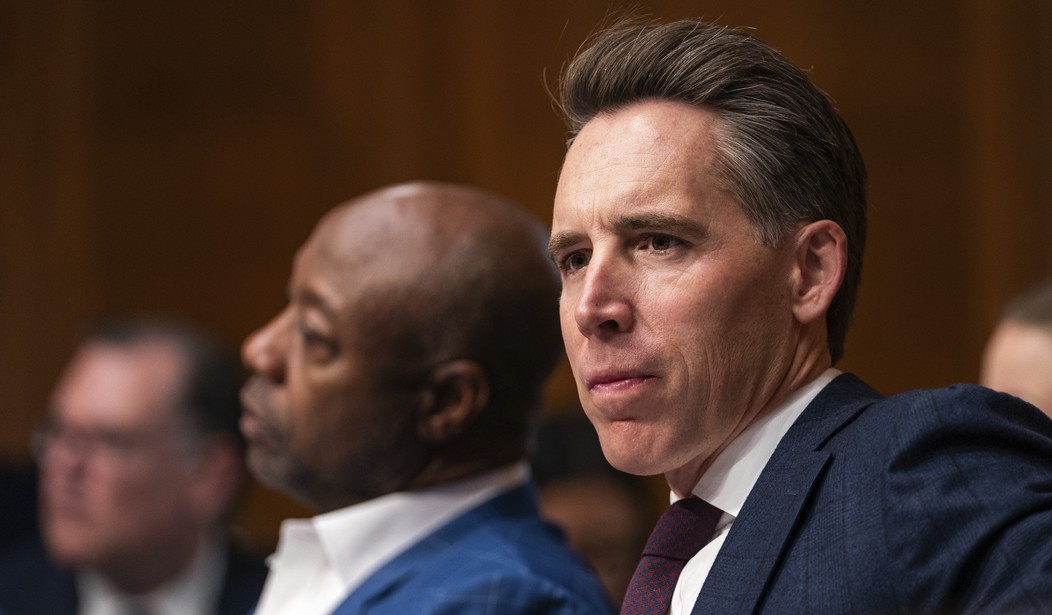
Sen. Josh Hawley (R-MO) says that moment has arrived.
Hawley introduced legislation this week to revoke Food and Drug Administration approval for mifepristone, the abortion drug that has rapidly become the center of the post-Roe abortion debate. The bill would force a direct confrontation between Congress and the federal agency that approved the drug more than two decades ago.
Medication abortion now accounts for roughly 63 percent of abortions nationwide, according to data cited in reporting on the legislation.
What once represented a smaller share of procedures has quietly become the dominant method, reshaping the abortion debate and fueling growing frustration among pro-life advocates who argue Washington has been slow to respond to the shift.
For them, the fight after Roe did not end. It simply moved.
Instead of centering on clinics and procedures, the debate has increasingly turned to pills prescribed through telehealth consultations and delivered through the mail.
Hawley argues that shift has created a direct conflict between federal drug policy and state abortion laws enacted after Roe was overturned.
“We’ve known for years that mifepristone is risky but it’s really just in the last few years that we’ve learned that this drug is inherently dangerous and it is inherently prone to abuse,” Hawley said while discussing the legislation.
The Missouri senator also pointed to research he says shows complications tied to the drug may be far more common than federal regulators have acknowledged.
“What it means in practice is internal infections, sepsis, a trip to the emergency room, a life-threatening condition, in 11 percent of cases,” he said, referencing research examining hundreds of thousands of prescriptions.
Even so, the growing use of abortion pills has dramatically changed how abortions take place in the United States.
Where abortion once largely occurred in clinics under direct medical supervision, the process can now begin with an online consultation and end with pills arriving by mail. That shift has made the issue harder for states to regulate and placed renewed attention on the federal agencies responsible for approving and regulating the drugs themselves.
Hawley and other pro-life lawmakers argue the rise of telemedicine prescriptions and interstate delivery of abortion pills has opened the door to widespread misuse while weakening the ability of states to enforce their own abortion laws.
Why Aren't American Feminists Celebrating Freedom of Iranian Women? Answer: Look at Their Priorities
The legislation faces an uncertain path in a closely divided Senate, but its introduction marks a significant shift in the abortion debate.
For decades, abortion policy in the United States revolved around regulating clinics, facilities, and surgical procedures. That framework assumed abortion was something performed inside a medical facility under the supervision of a physician. Medication abortion has upended that model, shifting the fight away from clinics and toward pills that can be prescribed through telemedicine and delivered through the mail.
Medication abortion now drives the majority of abortions in the United States.
Hawley’s bill goes straight after the drug itself
Editor’s Note: Do you enjoy RedState’s conservative reporting that takes on the radical left and woke media? Support our work so that we can continue to bring you the truth.
Join RedState VIP and use the promo code FIGHT to get 60% off your VIP membership!



Join the Conversation
VIP members get the ability to comment on articles.