








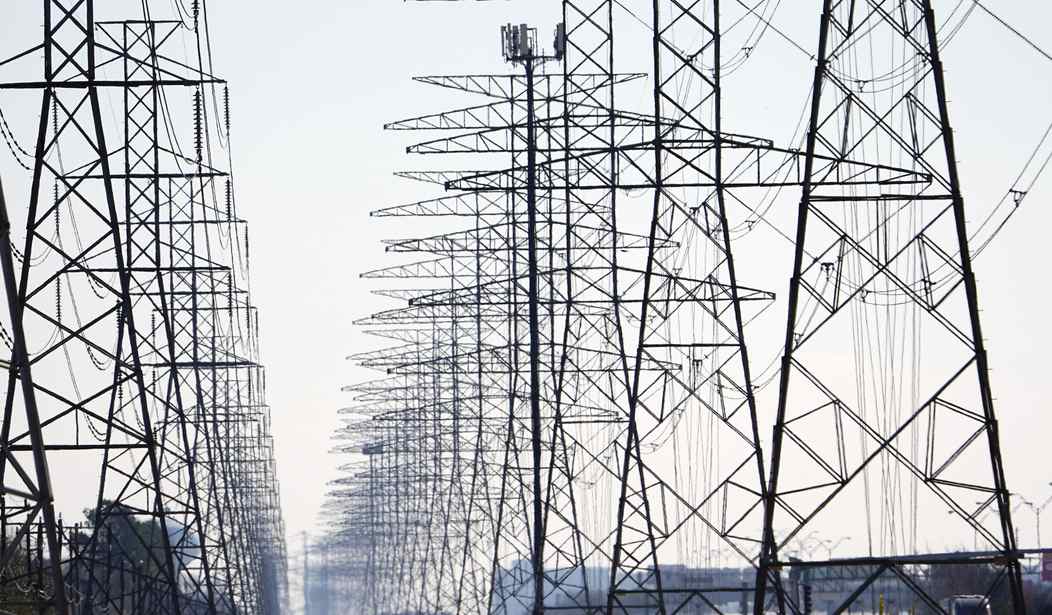
Without affordable, reliable electricity, our society would be plunged back into the mid-19th century, without all of the mid-19th century infrastructure to sustain it. Were a modern nation, like the United States, to suddenly be deprived of electricity, the result would be a disaster on an unimaginable scale.
Unfortunately, too many administrations and governments at all levels haven't done much to secure and upgrade our electrical generation capacity and the grid that distributes that electricity. Now, that's changing. The White House, on Wednesday, released information on a new presidential order declaring a national emergency to secure the United States' bulk power systems.
- The Order declares a national emergency under the International Emergency Economic Powers Act and the National Emergencies Act with respect to the unusual and extraordinary foreign threat to the United States involving bulk-power systems produced abroad that may present national security vulnerabilities.
- To deal with the threat to the national security, foreign policy, and economy of the United States, the Order, among other things, generally prohibits certain foreign-produced bulk-power system electric equipment, including associated critical software and digital capabilities that could pose cybersecurity or operational risks, from being purchased or installed in the United States, or appropriately conditions such purchases and installations to address those risks.
The Energy Policy Act of 2005 / Federal Power Act defines the bulk-power system as facilities and control systems necessary for operating an interconnected electric energy transmission network (or any portion of it), and electric energy from generation facilities needed to maintain transmission system reliability. Local generation and distribution centers are not covered under this act.
This order addresses, not so much generation, but rather distribution; in short, the grid. Furthermore, it's being cast as a national security issue, which it is. Case in point: the United States, as of this writing, imports about 80 percent of large power transformers those used in transmission. Over half of those come from China, with the balance from Mexico and South Korea. Lead times on obtaining replacement units are long, sometimes three to five years, and there are always risks in buying equipment like this from a potentially hostile nation.
Here are the specifics of this new order:
- The Order focuses on transactions involving foreign nationals that pose an undue risk of sabotage, unauthorized access, or other disruption, an undue risk of catastrophic effects on the security or resiliency of U.S. critical infrastructure, or an unacceptable risk to the security of the U.S.
- The Order does not apply to facilities used for local distribution of electric energy.
- The Order further permits the Secretary of Energy, in consultation with other members of the Cabinet, to impose conditions on the continued use and operation of such equipment as needed to address the concerns identified in the Order, bearing in mind effects on reliability, safety, availability of replacements, and continuity of service.
Securing our grid and our supplies of equipment on this scale, in the bulk-power systems, is a monumental task. That doesn't mean it's not worth doing. That doesn't mean it's something we should hesitate to do. And the bulk-power systems, all of our electrical grid, are a nationwide system, and a matter of national security, to boot. This is one case where the federal government not only should be involved, but must be involved. It's a big job, so the sooner we get cracking on it, the better.
Editor's Note: The Democrat Party has been infected by socialism, and it's spreading FAST. Democrats are claiming there's nothing to worry about, but we know the truth.
Help us continue to shine a light on the socialist takeover by joining RedState VIP. Use promo code FIGHT to get 60% off your VIP membership.

Join the Conversation
VIP members get the ability to comment on articles.