






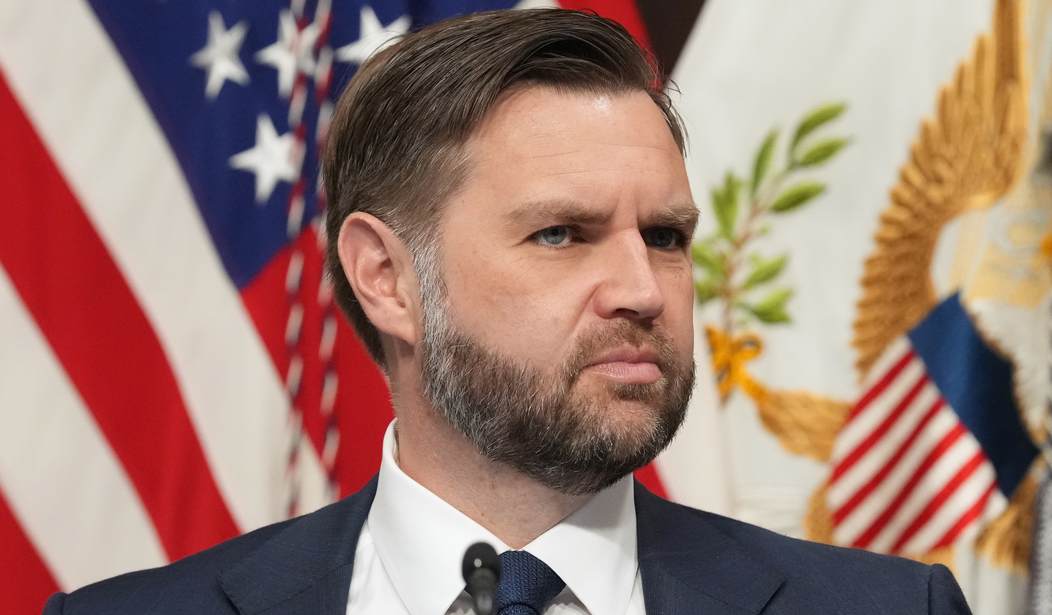
The Trump administration’s interim agreement with Iran is already under serious strain. Iran’s joint military command announced Saturday that it has re-closed the Strait of Hormuz, citing continued Israeli military operations in Lebanon and what it characterized as American “bad faith” and a “clear breach of its commitments.”
The announcement came on Iranian state television, which warned that “if the aggression continues, subsequent steps have been planned.”
The reopening of the strait was central to the Islamabad Memorandum, signed June 17 at Versailles by President Trump and Iranian President Masoud Pezeshkian, with Pakistan’s Prime Minister Shehbaz Sharif also signing as mediator. Ships had begun moving through the waterway again after months of closure that rattled global energy markets. Iran had originally shut the strait on February 28, the same day the U.S. and Israel launched strikes on Iran, cutting off a channel that carries roughly 20 percent of global oil flows.
Read More: Deadly Hezbollah Strike Complicates Iran Ceasefire Diplomacy
New: Israel-Hezbollah Ceasefire Renewed As Iran Talks Stall
Vance Pushes Back, But Is Heading There Anyway
Vice President JD Vance, speaking to Fox News Saturday morning, disputed Iran’s announcement, saying there is no evidence the Strait of Hormuz is actually closed despite Iranian state media reports to the contrary. U.S. envoys Steve Witkoff and Jared Kushner are already in Switzerland, and Vance said he expects to join them within “the next couple of days.”
That is a notable posture. The administration is disputing Iran’s claim that the strait is closed while simultaneously sending its top diplomatic team to negotiate with the country making that claim. Washington is not taking the bait on escalation, and it is not walking away from the table either.
The problem is that the table is increasingly unstable. Some congressional Republicans have already raised concerns that the administration gave Iran too much, pointing to sanctions relief and a potential $300 billion rebuilding fund. Vance has defended the deal by arguing that relief scales with Iranian compliance: “As they dial up their good behavior, we can dial up the economic relief. If they dial down their good behavior, we can turn it off.”
Iran re-closing the strait, or even claiming to, is a direct test of that framework.
What Iran Is Demanding
Tehran is not declaring the deal dead, at least not yet. Iran’s Foreign Ministry spokesperson Esmail Bagahei announced that an Iranian negotiating team was heading to Switzerland for talks with U.S. envoys, a trip that had already been postponed from Friday. Bagahei was careful to signal that those talks would be narrow in scope.
“This trip is therefore about demanding that the other side fulfill its obligations,” he said, according to AP. He added that a final agreement would move forward only once key commitments were upheld, warning that the memorandum “as a whole will be jeopardized” if they are not.
Iran’s core grievance is that the MOU calls for an immediate and permanent end to military operations on all fronts, including Lebanon. Israel, which is not a signatory to the deal, has continued striking Hezbollah targets there. Iran holds the U.S. responsible for stopping those operations. Washington does not appear to share that interpretation.
Editor's Note: For decades, former presidents have been all talk and no action. Now, Donald Trump is eliminating the threat from Iran once and for all.
Help us report the truth about the Trump administration's decisive actions to keep Americans safe and bring peace to the world. Join RedState VIP and use promo code FIGHT to get 60% off your VIP membership.
Join the Conversation
VIP members get the ability to comment on articles.