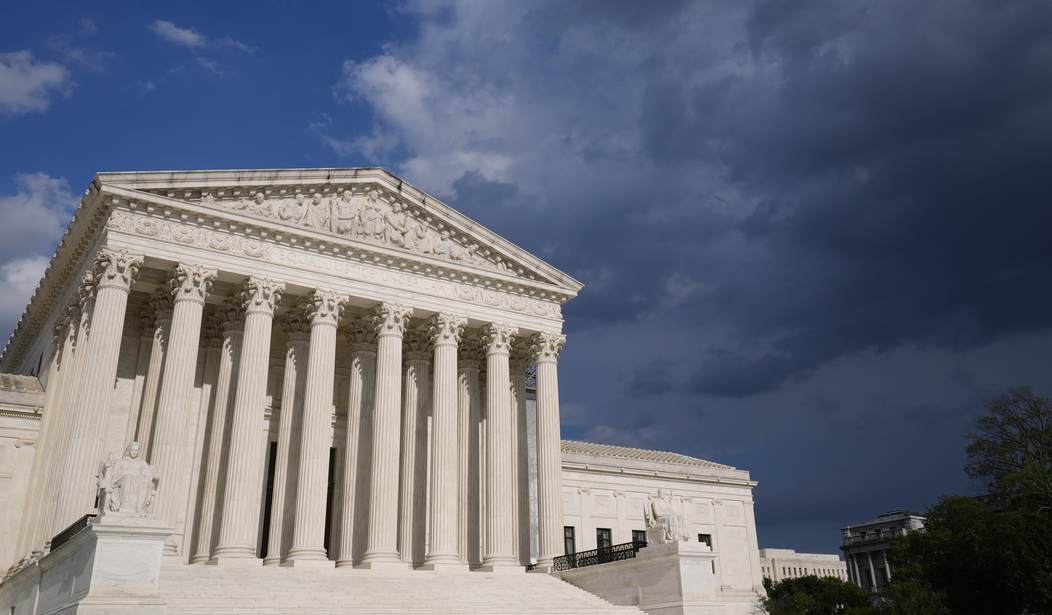
All eyes were on the Supreme Court early Friday morning as legal observers expected a potential ruling on President Donald Trump's tariffs or a Louisiana-based case on the Voting Rights Act.
Instead, the Court announced its decision on Bowe v. United States on Friday, ruling that federal prisoners can bring repeat claims in successive habeas corpus petitions, reversing lower court decisions that had barred such filings and resolving a longstanding disagreement among federal appeals courts.
Writing for the 5-4 majority, Justice Sonia Sotomayor held that a provision in the Antiterrorism and Effective Death Penalty Act of 1996 that prohibits “old claims” applies only to state prisoners, not federal inmates challenging their convictions. The decision means federal prisoners face a more lenient standard than their state counterparts when seeking to file multiple habeas petitions in federal court.
Different Standards for Federal and State Inmates
The case centered on Michael Bowe, who is serving a 24-year federal sentence for armed robbery. Bowe has filed five nearly identical challenges to his conviction since 2016, each arguing that his firearm conviction is unconstitutional based on two Supreme Court decisions issued after his guilty plea in 2008.
The Eleventh Circuit Court of Appeals repeatedly denied Bowe authorization to proceed with his challenges, applying what it understood to be a blanket prohibition on repeat claims. Six other federal appeals courts had adopted similar interpretations, while three held that federal prisoners could refile claims.
Court Finds No Clear Congressional Intent
Justice Sotomayor’s majority opinion concluded that Section 2244(b)(1) of the federal habeas statute explicitly applies only to state prisoners filing “habeas corpus applications under section 2254.” Federal prisoners, by contrast, file “motions” under a different provision, Section 2255.
“When interpreting statutes, the Court presumes that differences in language like this convey differences in meaning,” Sotomayor wrote. The Court found that Congress deliberately distinguished between the two types of prisoners throughout the 1996 law and that extending the old-claim bar to federal inmates would require reading provisions into the statute that Congress did not include.
The majority emphasized that federal prisoners still face significant hurdles to filing successive petitions. They must demonstrate either newly discovered evidence of innocence or that their conviction violates a new constitutional rule the Supreme Court has made retroactive. They must also comply with strict time limits.
The case now returns to the Eleventh Circuit, which must evaluate Bowe’s latest petition under the standards the Supreme Court has clarified apply to federal prisoners. The decision affects thousands of federal inmates who may now have additional avenues to challenge their convictions, though they must still satisfy demanding legal requirements to proceed.













Join the conversation as a VIP Member