








Nostalgia and faith don’t get along very well. Even as King Solomon stated, “Remember your Creator in the days of your youth,” the believer is not called to spend his or her latter days wallowing in hazy memories of being the young lion, ready to set the world on fire for Jesus.
That said, tradition is not nostalgia. Neither are cherished reminders of youthful faith, as they point us toward a fuller understanding of the familiar words from Hebrews: “Jesus Christ is the same yesterday and today and forever.” Even as we hopefully grow and mature in our faith, reminders of our spiritual childhood’s zeal are welcome guideposts, pointing us not toward nostalgic remembrances but to the Holy Spirit working through us in the here and now.
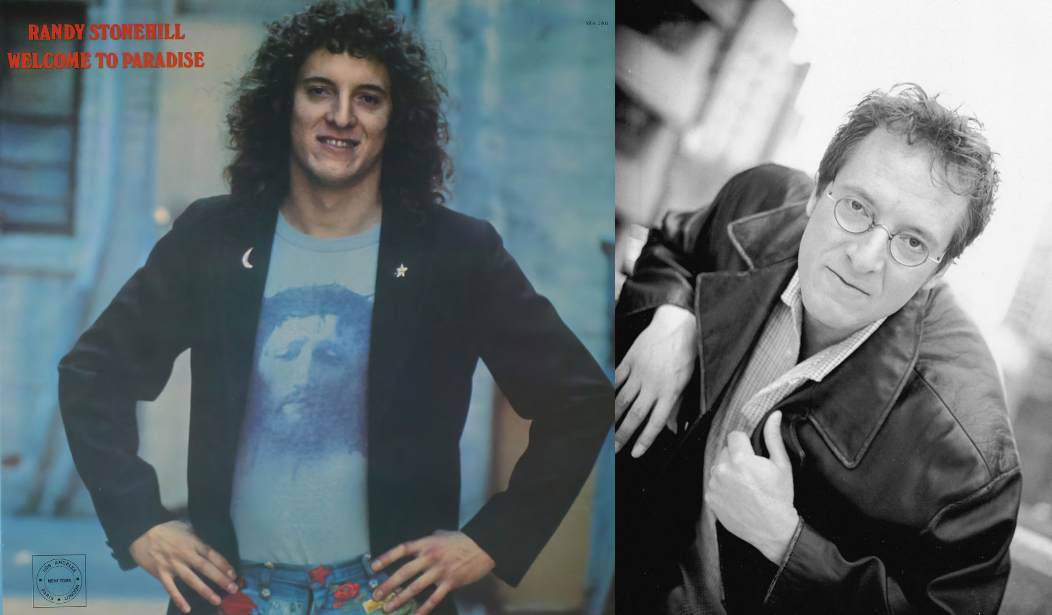
It’s been 50 years since pioneering Christian rocker Randy Stonehill released his 1976 album “Welcome to Paradise,” one of the vital early Christian rock recordings proving that art and ministry, framed within the musical vernacular of its time, was indeed possible without sacrificing either. Listening to the album today reveals a fusion of professional-grade art and Spirit not frozen in time. “Welcome to Paradise” is firmly rooted in the guitar-oriented rock and folk elements of the Laurel Canyon sound popularized by bands such as The Byrds, Buffalo Springfield, Poco, and The Eagles, minus the country-rock flavorings these artists brought to the table. Be it through the killer hook and airy yet gritty jam of “Keep Me Running,” the quiet acoustic reflectiveness of “First Prayer,” or the snarling straightforward rock of “The Winner (High Card)”, Stonehill demonstrated he was a top-notch tunesmith and lyricist. It is no wonder the album is still revered in the annals of contemporary Christian music, having easily withstood the test of time.
I recently spoke with Stonehill about the album, which is currently the subject of a 50th anniversary re-release campaign on Kickstarter. The re-release will feature, as Stonehill put it, an abundance of bonus material on a companion album, available on vinyl or CD, and a remaster of the original album. Some of the previously unheard tracks were recorded in a place seldom thought of in rock circles as a hotbed of activity — namely, his parents’ house. As Stonehill recalls, “Back in the 1970s when the Lord was really kicking my music ministry into high gear, and I was traveling a lot, I was also writing a lot. I was intentional about getting back to see my old home turf in San Jose (California) where my parents lived. They would always ask me, ‘Hey Rand, do you have any new songs to show us?’ I almost always did. My Dad was so sweet about it, and such an enthusiast; he purchased a little microphone setup so I could pull out my guitar and play the new songs for him. I’ve been finding demo home recordings of songs like ‘King of Hearts’ from when I had just written them. You can hear there are some different melodic and lyrical changes. There are several of the tunes like that.” Stonehill notes that, in addition to the demos, the bonus material will include remixes and alternate takes, on which he will be working with master guitarist Phil Keaggy.
Stonehill isn’t much for the “remember when” game when it comes to his music and ministry; at 74, he is still, writing, recording, and performing. That said, he does look back at “Welcome to Paradise” with fondness. Stonehill notes, “At the risk of sounding über-spiritual, as I listen to those songs, I can’t help but feel that the Lord was graciously at work guiding my craft. I was a young artist and a young believer. It felt like a special spiritual season in my life.”
He adds, “I still remember the advice given to me by the late great Larry Norman, who produced the record and was such an enthusiast about my work. As several of the songs were coming together and I would get together with him — which was frequent — I’d say, ‘Hey, I wrote this new song; what do you think?’ I respected his talent and his insights. So, after playing a couple of those songs for him, he looked at me and said, ‘Randy, write a lot of songs right now. This is a special season in your life. God is deepening your spiritual roots. You're in a place in your life and in your work where you will never be again.’ I was growing spiritually, and that was being reflected in my writing. The musical directive was always pretty basic for me — write songs that would speak to the fact that Jesus is intimately acquainted with, and profoundly relevant to, every aspect of our life journey.”
One of the more striking elements of “Welcome to Paradise” is its stubborn refusal to insult the listeners’ intelligence. Stonehill did things on the album you simply no longer hear in Christian music, portraying characters such as the pride-filled man who admits no need for Jesus in “The Winner (High Card)” or the pure snark before the word “snark” existed in the anti-smoking “Lung Cancer.” Did he ever get pushback back then, or were people understanding that this is part of the singer-songwriter craft?
“I did get some pushback,” recalls Stonehill. “I would tell people that I pray for direction when I write. I see how these songs connect with hearts, bringing Jesus into closer proximity with our day-to-day journey with its questions and struggles.” He adds with a laugh, “I learned how to be a pretty good apologist — which was not saying, ‘I’m sorry you don’t like my songs!’ I’d patiently explain why I thought the songs were relevant.”
Stonehill continues, “Worship is foundational. It’s beautiful and important. But it’s not all that we as musicians were created to do! If this is not your cup of tea, that's okay. I’m just trying to be an obedient servant by writing what's on my heart. I’ll keep doing that until the Lord tells me to stop.”
He concludes the thought by saying, “Everyone’s life is a story unfolding. Everyone is searching subconsciously for clues to the road map of their own journey. That's why songs and stories have such power and impact. If I can express in my songs that Jesus 'gets you,' He understands what we're going through, and He is the one Who offers true hope and light — He can help us make sense out of this beautiful, mysterious adventure — I’m going to keep on doing that.” Stonehill notes that he has received far more positive feedback than negative from people who have told him over the years how the album has helped galvanize their spiritual vision.
As mentioned earlier, the album showcases both folk and rock, a mix seldom heard these days. Stonehill observes that the album was built on rock 'n' roll underpinnings, crediting both Norman and the late Andy Johns, who engineered the recording sessions, for its overall sonic tenor. Johns was the younger brother of Glyn Johns whose engineering credits included The Beatles, The Rolling Stones, Eric Clapton, and Led Zeppelin. Andy Johns provided valuable musical insight alongside his technical prowess; Stonehill tells the story of how he (Johns) suggested the drum pattern for the chorus of “King of Hearts,” which moved it from what Stonehill describes as a Joni Mitchell-esque folk tune into something with a more muscular rock foundation.
Stonehill has long since set aside any concerns about his relevance in pop culture. Yet through the sheer quality of his music over the decades, he remains so without aiming to be so. “I don’t think too much about my work in hindsight. The heart of the matter is the authenticity of the songs and how they speak to our lives. If you can create something that’s rich and impactful, it stands the test of time. It goes beyond specific genres and styles that come in and out of vogue. It blesses me that people who’ve been listening to the album since it came out in 1976, as well as those who are hearing it for the first time, connect with it. It’s something I never would have anticipated.” He continues, “My approach to my work is that, I make a record, go through that musical growth experience, and then move on to the next new songs; the next new project.”
Final thoughts about “Welcome to Paradise?” “It still stands up today; it still engages people. That is by God’s grace. The album is, as the saying goes, one in which the whole is greater than the sum of its parts. It arrived at this crucial crossroads in culture, when people needed to hear the soul-saving truth of the Gospel framed in the musical language of the day. It was a time when The Eagles were becoming very popular.” (For reference, 1976 was the year “Hotel California” came out, moving The Eagles from a popular country-rock position into mainstream rock dominance.) “There was a hunger for music with a message of hope delivered with heat and passion."
Stonehill finishes, “My musical directive has never really changed: write songs about how Jesus applies to every aspect of our lives. Again, it’s by God's grace that this record surfaced at the right time to encourage believers as well as being able to speak to non-believers.”
It still does these things very, very well.
Are you tired of the mainstream media disparaging your faith? Do you want to find a place where you will be politically and spiritually accepted? Here at RedState, you have a home. Please help us in our mission to continue proclaiming the truth on all fronts by becoming a VIP member. Help RedState fight the liberal media by helping yourself to daily riches of learned political, cultural, and Spirit-led commentary. Knowledge is power, so feed the mind and join in the fray. Join RedState VIP today!



Join the Conversation
VIP members get the ability to comment on articles.