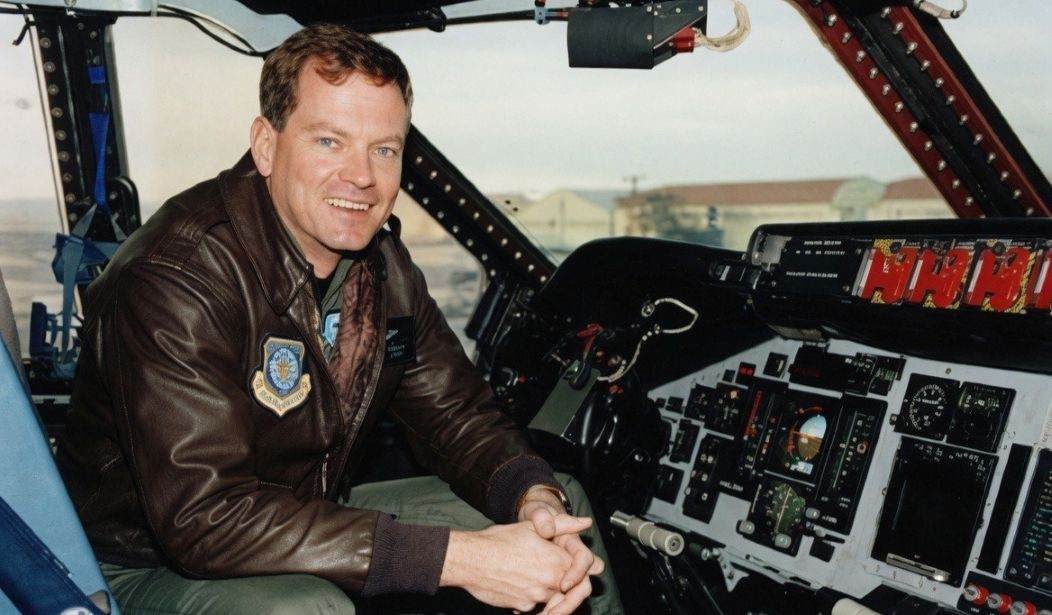

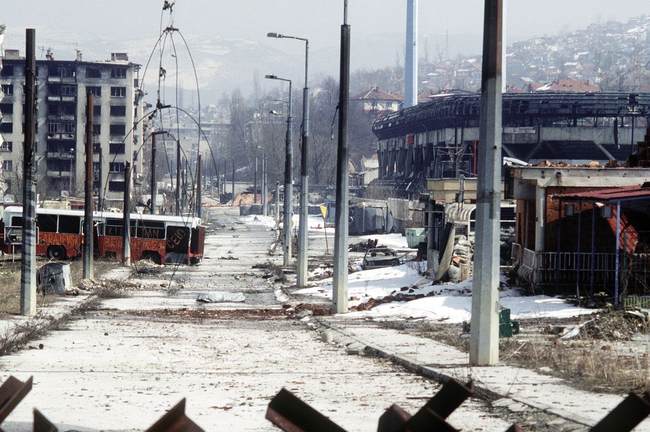
 In the spring of 1994, I found myself in command of a C-141 Starlifter squadron deployed to Rhein-Main Air Base outside Frankfurt, Germany. We were there for Operation Provide Promise, the long-running humanitarian airlift supporting the people of Sarajevo and other besieged areas in Bosnia-Herzegovina.
The Bosnian War was grinding into its third brutal year. Serb forces surrounded the city, shelling it daily while snipers picked off civilians. The United Nations and NATO had cobbled together an air bridge to deliver food, medicine, and supplies. Not surprisingly, almost all of it provided by the US. The C-130s had been doing the heavy lifting from Rhein-Main, but a fragile, temporary cease-fire allowed our larger C-141s to join the rotation. We could haul quite a bit more.
I had been pulled from my home base in Northern California and given the squadron. As the commander, I made it a point to fly the first mission in every day and the last one out. We operated in a combat environment even though the mission was humanitarian. The Serbs made no secret of their displeasure with outside interference. They’d already brought down aircraft from other nations, and they took shots at us whenever they could.
 Our days started very early in our makeshift command post, which we had carved out in the basement of the on-base hotel. It doubled as a briefing room, scheduling hub, and—after hours—a bar and movie theater. Morale mattered. These were long, tense days, and there was steam to bleed off.
We loaded pallets of aid, sometimes troops or journalists, and launched into the unknown. Sarajevo’s airport sat in a narrow valley surrounded by hills held by hostile forces. Approaches were steep and fast. We flew with Kevlar cockpit armor and missile-warning systems because we knew small-arms fire and surface-to-air missiles were real possibilities.
One mission in particular still stands out. The Pentagon directed us to fly three U.S. senators—Joe Biden (D-DE), Bob Dole (R-KS), and John Warner (R-VA)—into Sarajevo so they could see the situation firsthand and return with stories for the folks back home. We would carry our usual load of humanitarian aid and passengers, then bring the senators out. I thought it was a questionable idea, but orders were orders. As squadron commander, I took the flight myself.
We descended toward Sarajevo under a gray sky. We planned very specific routes designed to avoid the threats. As we dropped lower, small-arms fire began cracking from sniper positions on rooftops and shelled buildings. Rounds pinged off the airframe. An occasional one would pierce the fuselage.
SEE ALSO: Buzz's Bedtime Stories: Why I Joined the Air Force
We kept the approach stable and put the Starlifter down on the pockmarked Soviet runway. The moment the cargo ramp opened, the crew and ground teams moved fast—unloading pallets while keeping engines running for a quick exit. The senators stayed aboard. They were just along to say they’d been there.
Once the cargo and most passengers were clear, we taxied back toward the runway almost at our liftoff speed. Biden asked to come forward and watch the takeoff from the jump seat right behind the pilots. I told him, sure—he was a senator. We lined up and rolled. Small-arms fire was still coming in as we accelerated.
Just after rotation, the missile-warning system lit up. Serbian surface-to-air missiles had locked onto us. The defensive suite kicked in immediately—loud warnings, flares, and chaff blooming behind us. I pulled the aircraft into a hard, climbing turn toward the nearest cloud deck while the crew ran the checklists. We punched through the weather and climbed out clean.
When things settled, I looked back at the jump seat. Senator Biden’s eyes were wide. He didn’t say a word the rest of the way. We diverted the senators to Split, Croatia, where they could link up with the rest of their party, then continued on to Rhein-Main.
That flight captured the strange mix of the mission: high-stakes flying in a war zone mixed with the theater of politics. We took hits on other sorties, too—bullet holes in wings and fuselages that maintenance patched so we could keep flying. Every crew knew the risks. We had trained for them, but training never fully prepares you for the real thing when tracers flash at night, or a radar lock tone fills your headset.
Looking back, those months at Rhein-Main tested everything a squadron commander is supposed to provide: leadership by example, clear standards, and genuine care for the people under your charge. We delivered tens of thousands of tons of aid that kept people alive. We also proved that large strategic airlifters could operate in contested airspace when the mission demanded it. The C-141s were aging workhorses by then, but they got the job done.
The Bosnian airlift was one of the longest humanitarian operations in history—longer than the Berlin Airlift. It wasn’t flashy combat, but it was dangerous, necessary work. As a major leading that squadron, I learned lessons about decision-making under fire, about balancing mission and people, and about the quiet courage of aircrews who strap into big, slow targets day after day because the job has to be done.
Those experiences shaped the rest of my career and the way I still look at leadership today. The men and women who flew those missions into Sarajevo earned every bit of respect. We brought aid in and brought people out when we could. And on at least one memorable day, we even gave a couple of senators a ride they would never forget.