






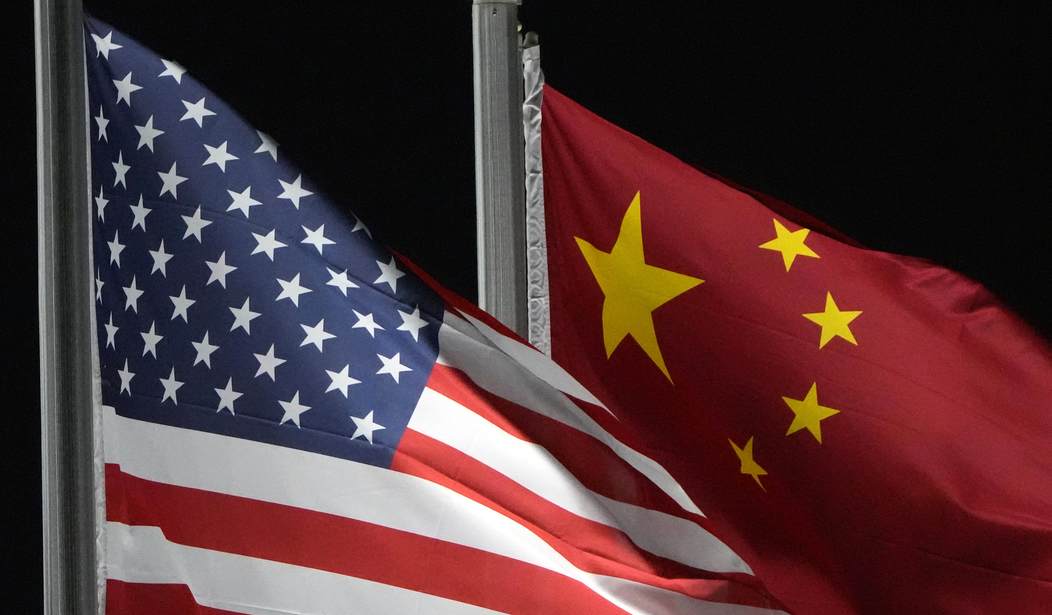
China’s top diplomat, Wang Yi, recently met with a bipartisan group of U.S. senators in Beijing and described relations between the two countries as generally stable, even after a year marked by twists and disruptions. The timing was no coincidence. With President Trump preparing to visit China and meet President Xi Jinping, Beijing is signaling a desire for continuity and cooperation on global issues.
This comes against a backdrop of real tensions – trade imbalances, technology restrictions, and the perennial flashpoint of Taiwan. Yet the message from Wang was measured: Both sides should work to maintain stability and contribute to peace. It is a familiar diplomatic dance, but one worth watching closely in the context of Trump’s approach. History offers a useful parallel.
In 1972, Richard Nixon, the staunch anti-communist, made his groundbreaking trip to Beijing. The phrase that emerged – “Only Nixon could go to China” – captured a simple truth: Sometimes it takes a leader with strong credentials on the other side of an issue to make a pragmatic opening without being accused of weakness.
RELATED: Trump's Brilliant Blockade Chess Move Isn't Only About Iran
THE ESSEX FILES: Think Trump’s China Trip Is a Distraction? Think Again
Nixon’s move didn’t mean he had gone soft on communism. It meant he recognized the strategic value of engaging directly with a major power rather than isolating it entirely. President Trump finds himself in a similar position. His first term demonstrated a willingness to confront China on unfair trade practices, intellectual property theft, and national security risks in ways previous administrations had avoided.
Tariffs, export controls, and a clear emphasis on bringing manufacturing jobs back home defined that policy. Critics called it reckless; supporters saw it as overdue realism. The result was a reset that acknowledged competition without pretending the relationship was purely cooperative. Now, in his current term, Trump is again engaging at the highest level. The meetings and diplomatic exchanges leading up to this visit suggest an effort to secure tangible outcomes whether on trade balances, fentanyl precursors, technology access, or regional stability. This is not naive engagement for its own sake.
Rubio, who introduced the bill to stop the killing of Falun Gong practitioners for their organs, says it’s a TOP priority during President Trump's trip to China. @POTUS, @SecRubio, please pressure Beijing to release Jimmy Lai from the prison. https://t.co/5NWUczbFM8
— Lily Tang Williams (@Lily4Liberty) May 7, 2026
It is deal-making grounded in strength. Trump has consistently argued that the United States negotiates best when it does so from a position of economic and military leverage, not wishful multilateralism. That approach has advantages. A leader who has openly challenged Beijing’s practices carries credibility when he sits down at the table. Allies and domestic skeptics alike understand that any agreement reached will likely include hard-nosed protections for American interests.
The alternative — the pre-Trump status quo of deep economic entanglement with minimal pushback – left the U.S. vulnerable in supply chains, technology, and strategic competition. None of this erases the challenges. China remains a formidable rival with its own clear objectives, particularly regarding Taiwan and regional influence. Stability in the relationship does not mean conceding core U.S. interests or lowering our guard. It means managing competition so that it does not spiral into unnecessary conflict while still pressing for reciprocity.
🚨 JUST IN: President Trump's China trip is FULL-STEAM ahead — two more US military C17 transport planes carrying advance supplies have officially landed in Beijing
— Eric Daugherty (@EricLDaugh) May 4, 2026
A total of 4 craft have now landed, per @safaricheung
The Air Force One landing is going to be INCREDIBLE 🔥 pic.twitter.com/wHQF6EXD7k
American policy should continue prioritizing domestic manufacturing resilience, alliances with partners in the Indo-Pacific, and clear red lines on security matters. Trump’s willingness to engage directly fits a pattern of pragmatic conservatism: Compete vigorously where necessary, but do not reject diplomacy when it can serve American workers and security.
Just as Nixon’s opening reshaped global alignments without compromising U.S. resolve, a clear-eyed approach today can protect economic sovereignty while reducing avoidable friction. The coming meetings will test whether concrete progress follows the rhetoric of stability. If they yield fairer trade terms, reduced illicit flows, or greater predictability in the relationship, that would represent a practical success not because China has suddenly aligned with American values, but because a strong U.S. leader extracted value from a difficult partnership.
In foreign policy, results matter more than ideological purity. Trump has long understood that. History may yet record that only he could pursue this path at this moment with the credibility it demands.
Editor’s Note: Thanks to President Trump and his administration’s bold leadership, we are respected on the world stage, and our enemies are being put on notice.
Help us continue to report on the administration’s peace through strength foreign policy and its successes. Join RedState VIP and use promo code FIGHT to receive 60% off your membership.

Join the Conversation
VIP members get the ability to comment on articles.