






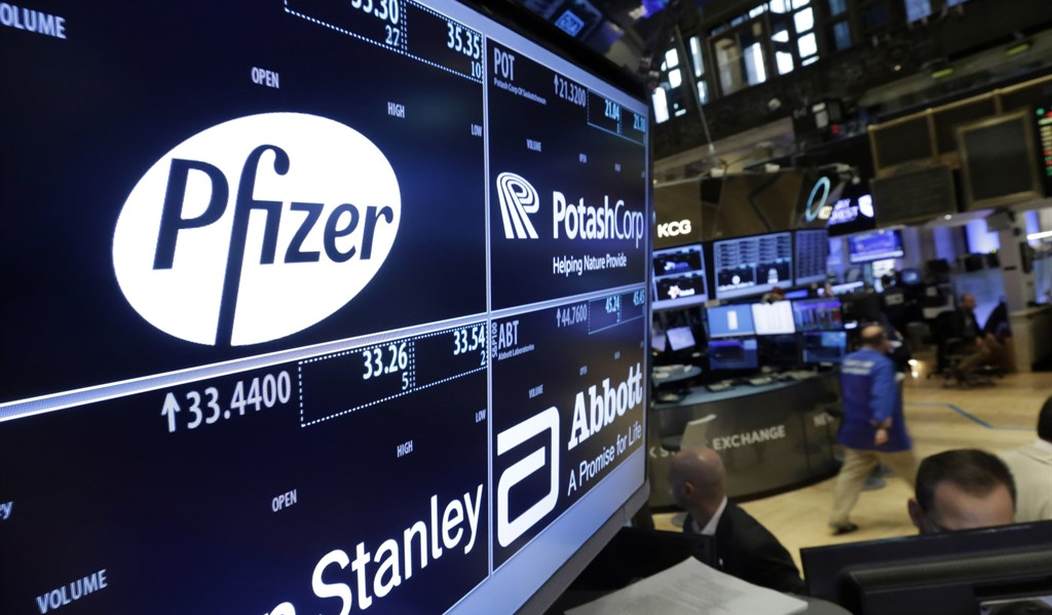
Do American pharmaceutical companies conducting clinical trials on drugs in China help the CCP’s military capability? A bipartisan group of lawmakers wants to know, and they’ve opened an investigation into drugmakers, including Merck, Eli Lilly, Pfizer, Bristol Myers Squibb, and AbbVie (a spinoff of Abbott Laboratories), and are demanding that they detail their policies and due diligence efforts in their overseas operations.
Rep. John Moolenaar (MI-02), chair of the China Select Committee, is leading the charge:
Select Committee Chairman @RepMoolenaar sent a letter to @abbvie, which conducted clinical trials at Chinese military hospitals and in Xinjiang, the epicenter of the CCP's genocide against Uyghurs.
— Select Committee on China (@ChinaSelect) June 30, 2026
Our investigation requests information on the company’s policies and due… pic.twitter.com/INYpACRRXR
Select Committee Chairman @RepMoolenaar sent a letter to @abbvie, which conducted clinical trials at Chinese military hospitals and in Xinjiang, the epicenter of the CCP's genocide against Uyghurs.
Our investigation requests information on the company’s policies and due diligence efforts for operating at these locations. American companies cannot turn a blind eye to what is happening in China.
Click here for more information.
The questions surrounding the widespread drug testing involve several issues: 1) Are the participants always willing? The letters note that Beijing represses the ethnic minority, the Uyghurs, and could be forcing them to take experimental drugs. 2) Are we just handing over our medical advances to the Chinese military?
The letters to AbbVie CEO Robert Michael and Merck CEO Robert Davis say that "while there is no evidence" that either company "has engaged in illegal activity or wrongdoing, conducting clinical trials in China... exposes American companies to ethical and security risks."
The committee said New Jersey-based Merck has sponsored or collaborated on 224 clinical studies in China since 2005, including at least 31 trials in Xinjiang and 40 at medical centers and hospitals affiliated with China's military.
It said Illinois-based AbbVie has sponsored or collaborated on more than 100 clinical studies in China since 2007, including at least 17 sites in Xinjiang and 16 at military centers.
"Conducting this research at PRC military hospitals puts the cutting-edge, biotechnology intellectual property of American companies at potential risk of being transferred to the Chinese military," the letters said.
Exclusive: Pfizer + BMS (which have both done major china deals recently) got letters from the House China select committee yesterday:
— Drew Armstrong (@ArmstrongDrew) June 30, 2026
Ask about China trials, PRC military sites and informed consent in trials: pic.twitter.com/84aDx9Tljf
RELATED: Subversive Singham Network Now Revealed As Bigger Threat Than Realized
FBI Seizes Fake Domains in Devastating New Blow to Chinese Intel Operations
Moolenaar said in a statement that China’s human rights record raises huge issues when it comes to testing:
China's clinical trial system relies on rapid patient enrollment, which is three to five times faster than in the United States, due in a part to a lack of ethical safeguards regarding informed consent and voluntary participation.
In Xinjiang, widespread forced labor, forced medical testing, organ harvesting, and procedures on Uyghurs and other minority populations raise ethical concerns. Given the chilling violations of basic human rights in Xinjiang, it is reasonable to question whether clinical trial subjects there are participating voluntarily. Operating in this region demands heightened due diligence by Merck to ensure it is not unwittingly profiting off a system that is failing to protect the rights of participants.
Since many theorize that COVID came from a Chinese lab, it’s smart to ask questions about what huge drug companies are doing over there. To paraphrase Ronald Reagan, “don’t trust — and verify.”
Editor’s Note: Thanks to President Trump and his administration’s bold leadership, we are respected on the world stage, and our enemies are being put on notice.
Help us continue to report on the administration’s peace through strength foreign policy and its successes. Join RedState VIP and use promo code FIGHT to receive 60% off your membership.
Join the Conversation
VIP members get the ability to comment on articles.