
Petroleum is at the heart of every human endeavor. Our technology, our appliances and personal devices, our entire energy portfolio depend on it. So, every disruption in the markets can have a chilling effect on oil prices.
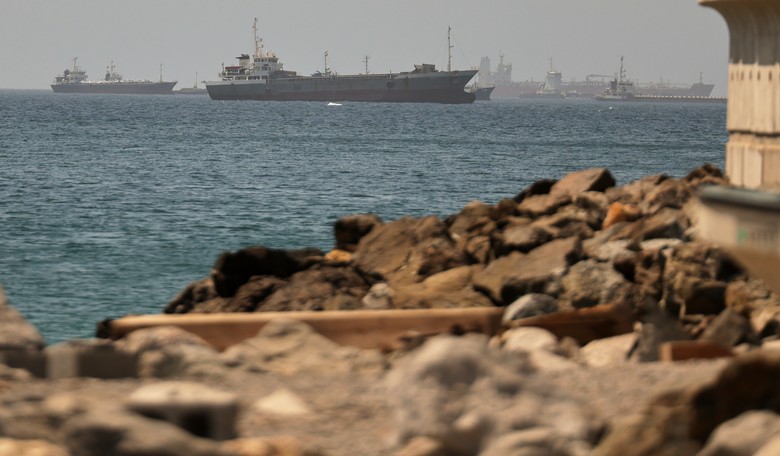
So, just when you thought it was safe to get back in the oil futures markets — Iraq has reportedly delayed the shipment of between 20 and 30 million barrels of oil. Iraq hasn't given a reason for the delay, but it's important to note that almost all of Iraq's oil shipments go through the Strait of Hormuz.
Iraq’s SOMO has delayed loadings of crude oil cargoes to the tune of between 20 and 30 million barrels, according to a Bloomberg report citing unnamed sources.
The reason for the delays has not been established yet, but the cargoes were supposed to be loaded this month; now, only some of them will be loaded, and only during the first ten days of December, the report said. As a result, buyers are looking for alternatives, and Middle Eastern prices have climbed higher.
There are alternatives. Here in the United States, we're fortunate enough to have substantial petroleum reserves, from Texas' Permian Basin to Alaska's North Slope. But 20 to 30 million barrels is a substantial amount, and could possibly have an effect on global oil prices.
Iraq has not yet given a reason for the delay, but there are some possibilities.
One obvious possibility is that shipping oil out of the Persian Gulf via the Strait of Hormuz, which is Iraq’s only maritime route from the Gulf to the open ocean, has become a lot riskier. This possibility, while not verified by any official source, has been supported by the recent slew of reports about tankers hitting mines in Hormuz because they failed to stick to the corridor approved by Iran.
Another hypothetical possibility would be a sudden drop in buyer appetite, but that possibility is not supported by the information related in the Bloomberg report, which said buyers were actually looking for prompt delivery alternatives to the Iraqi crude from the Middle East, rather than other parts of the world.
The drop in buyer appetite seems unlikely, although in the United States, the summer vacation/driving season is over, but the season of cold weather and heating bills is here.
It's unlikely Iraq will hold back these shipments for long. Petroleum sales make up about half of Iraq's GDP and 85 percent of the Iraqi government's revenue, so it seems unlikely that it will want to halt shipments for long. But there are, as sure as the sunrise, connections between Iraq and the USA, and, frankly, there are almost certainly some quiet connections between Iraq and Iran, despite the historical enmity between the two. It's enough to make one wonder what Iraq is suddenly worried about. Then again, President Trump has made no bones about the possibility of imminent military action against Iran.
For the moment, global oil prices have been responding to broader supply concerns in the Middle East, making it difficult to isolate the effect of Iraq's delayed shipments. Whether the disruption produces a sustained increase remains to be seen.