






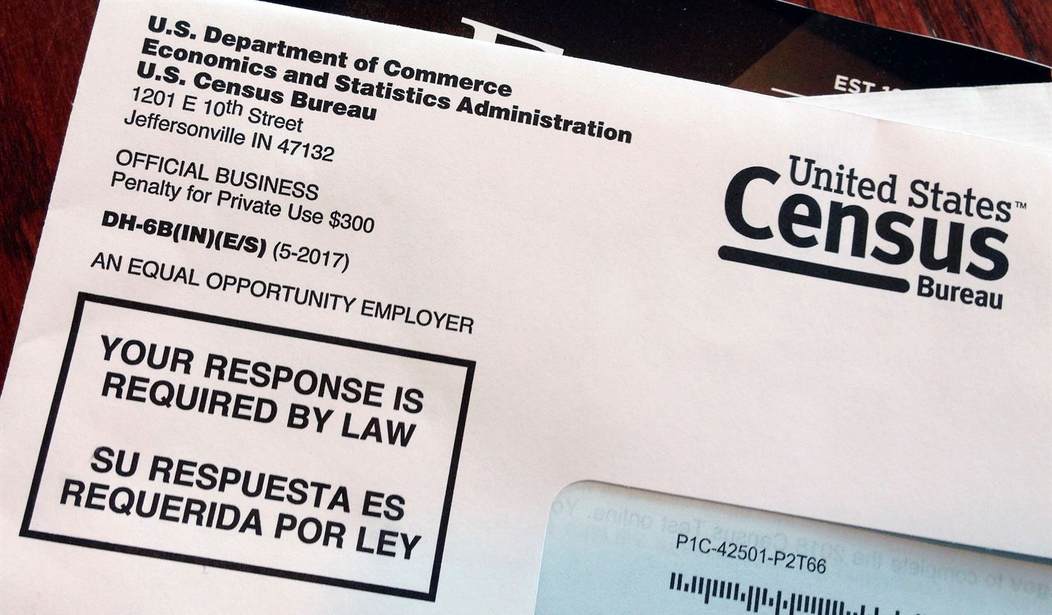
This isn't a new issue, but President Trump hasn't given up on it; on Wednesday, the administration proposed, once more, some significant reforms to how the United States census is conducted. The proposal would change the practice to count only American citizens and permanent residents in the census, which would have a significant effect on things like House seat apportionment.
This has been and will be hotly opposed by the left.
The Trump administration proposed Wednesday changing the national census to include only U.S. citizens and permanent residents, a move that could significantly change how much political representation and federal funding each state receives.
The U.S. Census Bureau submitted the proposal just over a year after President Donald Trump ordered its parent agency to craft a new census that would block immigrants in the U.S. illegally from being counted. The bureau will conduct the next full census in 2030.
There's a good argument to be made for including permanent residents along with citizens, but those are the only people who should be counted, at least for the purposes of apportionment of congressional districts and dissemination of federal funds based on population. These are things, both political representation and treatment by government, that are for Americans; illegal aliens and even people on student visas should not, must not, be included. American citizens and permanent residents, it stands to reason, should be the only ones counted for these purposes.
The proposed rule changes would exclude even more immigrants from the census, such as those in the U.S. on a temporary lawful basis. The proposed changes would also eliminate parts of the questionnaire that seek information on race or ethnicity, which have been included since the first census in 1790.
The proposal is open to public comment for 30 days.
Drawing congressional districts based on eligible voters, not just gross population, is a good idea, but it will face court challenges. The Constitution mandates the census but doesn’t mandate how districts are drawn; theoretically, that is up to the several States. But there are still constitutional issues.
The catch may lie in the 14th Amendment, which states in part:
Representatives shall be apportioned among the several states according to their respective numbers, counting the whole number of persons in each state, excluding Indians not taxed.
The "whole number of persons in each state" can and probably will be defined as all persons physically present in a state, regardless of their immigration status. Expect that to be the Left's primary argument in opposing this.
Here's the thing: When the 14th Amendment was written, nobody anticipated two things about our modern world: First, the ease with which people can now come from anywhere in the world to enter the United States, and second, the massive influx of illegal immigrants across our largely unguarded borders, as happened from 2021-2025.
This act would also affect things like welfare, especially in cities with high immigrant populations - like Minnesota.
The effort could have "earth-shattering" effects, leaving cities and states that have relatively high immigrant populations with insufficient federal aid and political representation, said Meeta Anand, senior director of the census and data equity program at the Leadership Conference on Civil and Human Rights.
Sorry, but plenty of people will see that as a feature, not a bug. Reducing the incentive for people to flood into the United States to take this kind of advantage of our taxpayers, that alone would make this worth doing.
Enacting this vital reform may take a constitutional amendment. If so, then it's still worth the attempt.
Editor's Note: Do you enjoy RedState's conservative reporting that takes on the radical Left and woke media? Support our work so that we can continue to bring you the truth.
Join RedState VIP and use promo code FIGHT to receive 60% off your membership.


Join the Conversation
VIP members get the ability to comment on articles.