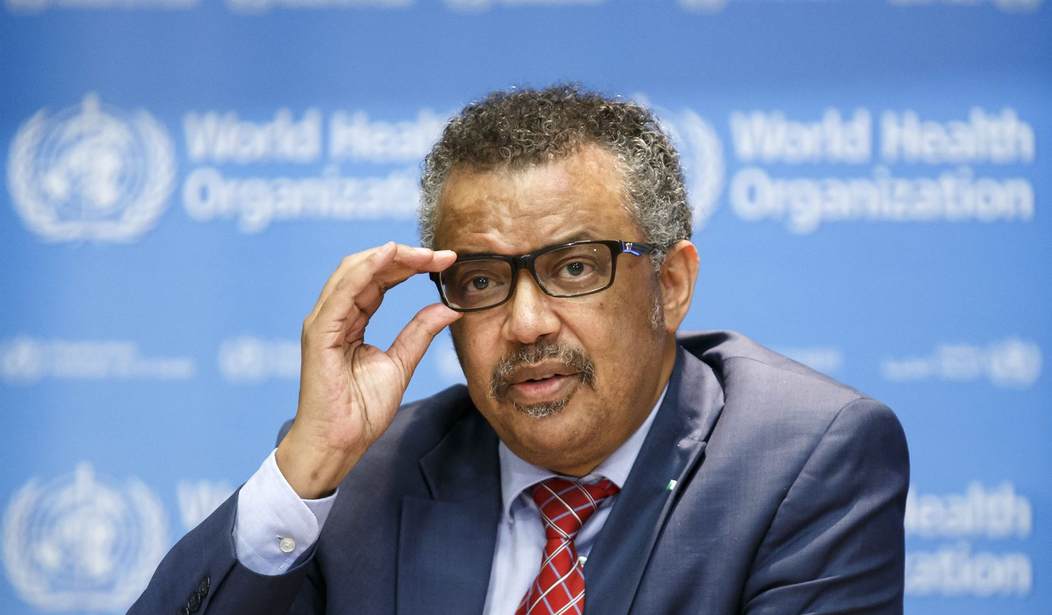

In my previous life, as a quality systems and regulatory affairs consultant to the medical device, biotech and pharmaceutical industries, I only once had occasion to deal with the World Health Organization (WHO), instead of the more usual Food & Drug Administration and ISO standards. That one WHO experience involved following up on a WHO audit of a pharmaceutical plant in Johannesburg, South Africa; my colleague and I were tasked with examining their response to the WHO. To do so, we had to learn the WHO guidelines under which the audit was held, and we had to basically re-run the audit.
Two key takeaways: The WHO guidelines were a mess, and the WHO auditors missed so many glaring flaws in the operation of that plant, under their own standards and under the international ISO standards, that it was rather horrifying.
The WHO has become as much of an activist organization as a healthcare organization. Now, there is a new effort, the International Health Reform Project, that seeks to refocus the WHO on some core principles.
The polarised debate on the World Health Organisation (WHO) has been based more on mud-slinging and all-or-nothing dogma than scientific evidence and empirical data. However, with trust plummeting in public health and the WHO’s funding rapidly reducing as it scrambles for more to fund what it claims are ever-increasing threats, change is needed.
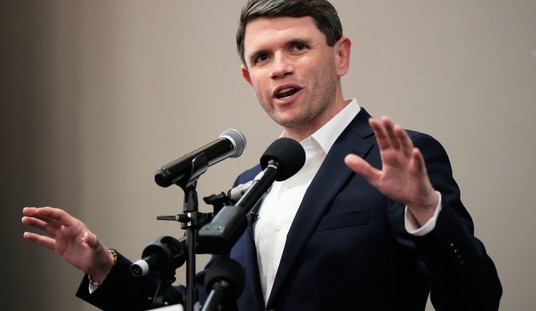
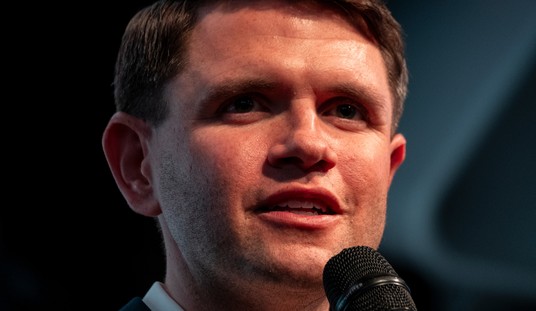
The International Health Reform Project (IHRP) was formed with the intent of returning this debate to a rational framework. It did not begin as an anti-institutional campaign but as a professional reckoning. Its origins lie in a shared unease among physicians, public health practitioners, economists and former senior international officials who watched the COVID-19 response unfold with growing alarm. Their concern was not with public health itself, but with the direction it appeared to be taking. The two of us, long engaged in global health policy and governance respectively, are co-chairs of a diverse group of 10 experts who have spent the past 18 months thinking through this problem from evidence and orthodoxy rather than soundbites. The project will deliver its first reports in April.
These physicians are right to be concerned with the COVID-19 response, and even more so with the sudden spread of "gender-affirming" care, especially in minors. Both of these events, these phenomena, have been characterized by disregard of some basic principles of healthcare delivery; principles like primum non nocere, informed consent, and so forth.
Here's what the IHRP is aimed at:
The IHRP identifies several interrelated trends:
- Expansion beyond core public health functions (‘mission creep’).
- Centralisation of authority justified by emergency framing.
- Growing dependence on earmarked and non-state donor funding.
- Preference for technological interventions over foundational determinants of health.
- Treaty-based rigidity that locks in policy regardless of evidences.
- Weak accountability to member states and affected populations.
The WHO has become involved in non-healthcare-related issues ranging from gun control to climate change. That alone, that mission creep from healthcare practices to advocacy and activism, is a matter of great concern. Why? Because of the conflict with medical ethics.
These developments have not merely reduced efficiency, they have also eroded trust and legitimacy. Healthcare is not value-neutral. Its legitimacy rests on four foundational ethical principles embedded in medical tradition and international human rights law:
- Beneficence
- Non-maleficence
- Confidentiality
- Voluntary informed consent
President Trump has taken the United States out of the World Health Organization, and he's not the only national leader to defenestrate the WHO's influence in their nations. That's a trend I expect to see continuing.
Read More: Afuera! Argentina Withdrawing From World Health Organization
Thanks for the Memories — Trump Officially Kicks World Health Organization to the Curb
Can the WHO be reformed to return to these basic principles? I'm inclined to say "no."
Just as in so many other United Nations organizations, the main expectation seems to be to have the United States pick up the tab. When President Trump withdrew the United States from the WHO, the fact sheet issued by the Department of Health and Human Services said in part:
In recent years, U.S. assessed contributions (mandatory dues) averaged approximately $111 million annually. In addition, the United States provided voluntary contributions averaging roughly $570 million per year—amounting to billions of dollars over time—often exceeding the combined contributions of many other member states.
We should note, though, that the next time we have a Democratic president, and there will be, sooner or later, another Democratic president, the United States will once more sign on to the WHO. Much as we would like to see it, the United Nations isn't going anywhere anytime soon. Whether or not the IHRP sees any success in reforming the WHO, we may one day have to deal with them again.
Any organization purporting to support and, yes, regulate health care in an international organization like the UN, must not be involved in activism. They must be focused on abiding by medical ethics, ethics that have been accepted in the developed world for hundreds of years. And most of all, they must not continually expect the United States to pay for everything.
The IHRP will deliver its initial report in April. Stay tuned.