






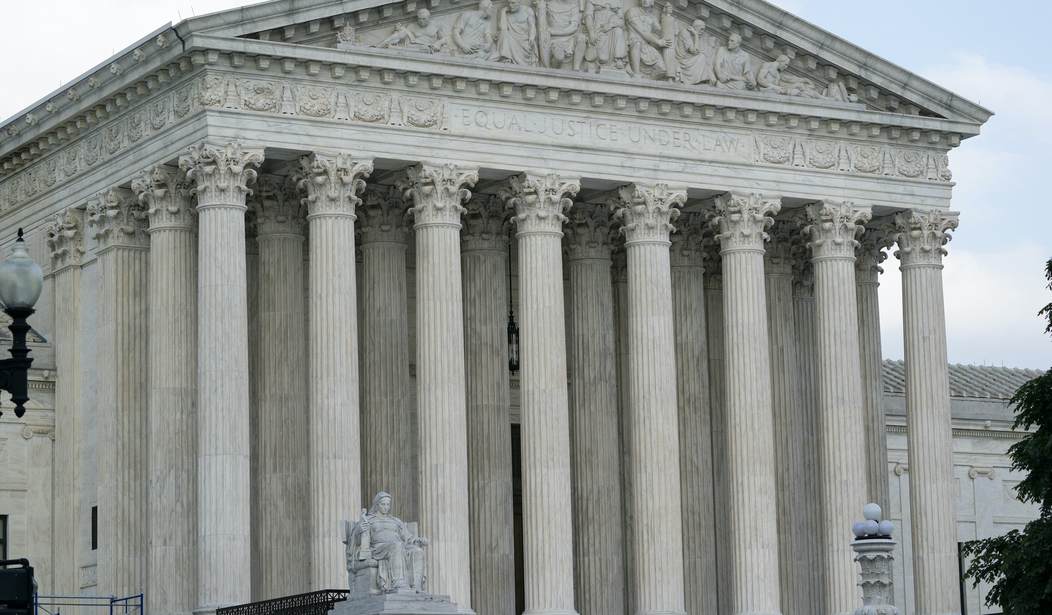
On Monday, the Supreme Court added two significant immigration cases to its docket. The cases are styled Noem v. Doe and Trump v. Miot, and both involve the issue of Temporary Protected Status (TPS). The first comes out of the Southern District of New York and involves TPS for Syrians; the second comes from the D.C. District and involves Haitians.
Some background:
Congress enacted the Temporary Protected Status program in 1990. The program gives the Department of Homeland Security the power to designate a country’s citizens as eligible to remain in the U.S. and work if they cannot return to their own country because of a natural disaster, armed conflict, or other “extraordinary and temporary” conditions there.
Then-Secretary of Homeland Security Janet Napolitano designated Syria for TPS in 2012, a designation that was renewed multiple times over the following 13 years.
Last fall, then-DHS Secretary Kristi Noem announced that the Trump administration planned to end Syria’s TPS designation, effective Nov. 21, 2025. She indicated that Syria’s new government was attempting to “move the country to a stable institutional governance,” and she said that it would be “contrary to the national interest” if the TPS designation for Syria remained in place.
Now, here's where the courts get involved:
A group of Syrians in the United States who had benefited from the TPS program went to federal court in New York to challenge the Trump administration’s attempt to end the designation of Syria. Shortly before the termination of the TPS designation was slated to go into effect, U.S. District Judge Katherine Polk Failla blocked the government from ending the program for Syria. Failla concluded that the challengers were likely to succeed on their claim that the decision to end the TPS designation for Syria violates the federal law governing administrative agencies. She noted that Noem had tried to end TPS not only for Syrians, but also “for virtually every country that has come up for consideration” – which, she wrote, in light of the different conditions and factors leading to the initial designations, suggested that the decisions to terminate TPS were not appropriate.
ALSO SEE: 9th Circuit Hands Trump Administration a Big Win With TPS Ruling
Cue the Lawsuits: DHS Revokes Temporary Protected Status for Somalian Nationals
The Trump administration appealed Failla's ruling to the 2nd Circuit Court of Appeals and requested a stay pending appeal, which the 2nd Circuit denied. So, the administration filed an application for stay with the Supreme Court.
The Court's order on Monday addressed both Noem v. Doe (regarding TPS for Syrians) and Trump v. Miot (regarding TPS for Haitians and a similar procedural history), converting the applications for stay to petitions for writ of certiorari and granting both.
The cases are now set for oral argument before the Court the last week of April, and we can expect a ruling by the end of the 2025 term (end of June or beginning of July). And that ruling could have far-reaching implications, in terms of how far courts can go in second-guessing the executive's immigration policy, not to mention affecting hundreds of thousands of individuals currently availing themselves of TPS in the U.S.
Ultimately, the Supreme Court's decision on these cases could reshape both immigration policy and the balance of power between agencies and courts. We'll be watching closely.
Editor’s Note: Do you enjoy RedState’s conservative reporting that takes on the radical left and woke media? Support our work so that we can continue to bring you the truth.
Join RedState VIP and use the promo code FIGHT to get 60% off your VIP membership!

Join the Conversation
VIP members get the ability to comment on articles.