
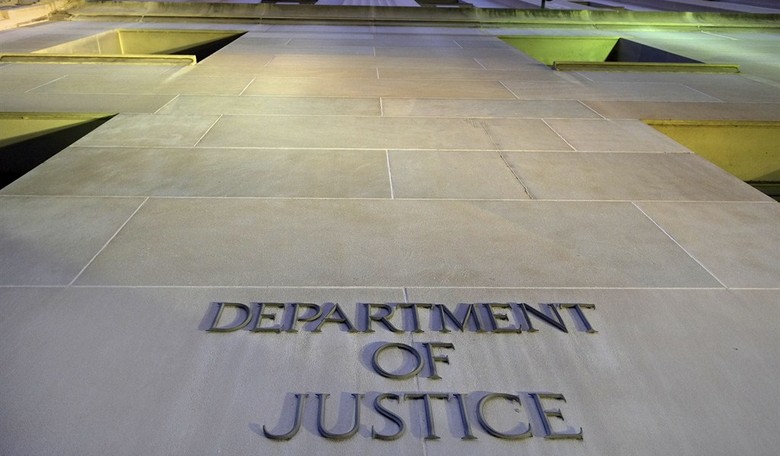
The U.S. Department of Justice (DOJ) said Saturday that it is investigating whether five major television networks violated federal antitrust law when they banded together last month and stopped providing pool coverage of President Trump. That move by the networks came after the president banned CNN, MS NOW, and Politico from the grounds of the White House for repeatedly pushing "fake news" about him and his administration.
ABC, CBS, CNN, Fox, and NBC suspended their shared television pool coverage in September, and now the Antitrust Division of the DOJ wants to find out if the networks' coordinated action crossed a legal line.
DOJ spokesperson Emily Covington confirmed the investigation Saturday, saying, "Members of the television press pool have boycotted covering White House events. Group boycotts among commercial competitors can violate the Sherman Act. The Antitrust Division is simply investigating to determine whether these news organizations have violated the antitrust laws."
The DOJ says it is investigating five major TV broadcast networks for potentially violating federal antitrust laws after the networks temporarily declined to provide pool coverage of President Trump, a department spokesperson says. https://t.co/k5lVdc24wG
— NBC News (@NBCNews) October 12, 2026
Of course, these weren't just five random news outlets each deciding on their own that they'd take their cameras and go home. ABC, CBS, CNN, Fox, and NBC are competitors that routinely cooperate in the television press pool – and they worked together to halt coverage in response to the White House's handling of CNN, MS NOW, and Politico.
As RedState's Nick Arama reported at the time, the five networks announced on September 21 that they were suspending participation in their pooled coverage after the administration banned the three outlets from the White House. Those three outlets, in turn, sued the Trump administration on claims that their First Amendment rights were being violated.
The courts stepped in on the matter of White House press credentials, and pool coverage has resumed. What's being decided now is whether the coordinated pool suspension amounted to an illegal agreement among the competitors.