
I wanted to include this tidbit in my last VIP piece, but thought it'd be better as its own article. As I was saying, another "study" came out declaring women were underrepresented in gaming and thus gaming needed to change to let women feel more at home in the space.
It's been a long-running narrative point from what always ends up being leftist, DEI-focused interest groups. The key is to make it seem like women are being kept out of things when they are, in fact, not being kept out at all. They just don't have a taste for certain genres of video games and are far more likely to gravitate to others. For instance, you won't find a whole lot of women in shooter games, but you will find a lot in family/farm-sim games. No one is relegating them to these spaces; this is just what they prefer.
Read: Focusing on Trying to Include Women Is Destroying Everything... for Women
Yet, you continuously get these calls for "inclusivity," as if you have people around every corner attempting to keep out X victim group purely out of hatred or bigotry. They throw out the term "gatekeeping" to make it seem like we're guarding the space from people who want in but can't because the space is filled with (insert social sin here).
That's not actually the case, but if I'm being brutally honest, gatekeeping is something many communities should be doing far more of, and if anything has proven this, it's the DEI surge that hit the Western World like a freight train and left a ton of broken brands and fandoms in its wake. The corporate call for "inclusivity" has done nothing good for anyone.
The point of inclusivity isn't to invite anyone into a group so that they can take part in a thing as it is. The point is to change the thing that people love in order to appeal to a much broader audience. Which, when you think about it, makes the "inclusivity" effort a self-defeating lie the moment you implement it.
You're not including anyone in anything; you're taking something that already exists, destroying it, and building something that vaguely looks like what was destroyed on top of it that you think will appeal to a broader audience while thinking the original one will still stick around. If you have to destroy the original to include others, then you didn't include anyone in anything. You just created something else.
And this has been the issue for a little over a decade now. Analysts and special interest groups came in and declared that the group they represent or speak for isn't there, so they must feel like they aren't welcome. It's up to the business, creator, studio, etc., to make their product differently to make others feel like they can safely take part.
The name of the game is dismantle, reprioritize, and rebuild.
In my previous VIP, I brought up how Disney-Marvel did this to make women feel like they could safely partake in the MCU, which was predominantly enjoyed by men. The end-result was both men and women abandoning the MCU by and large, leaving a massive decrease in the MCU's ROI. You can, however, see this in other industries too.
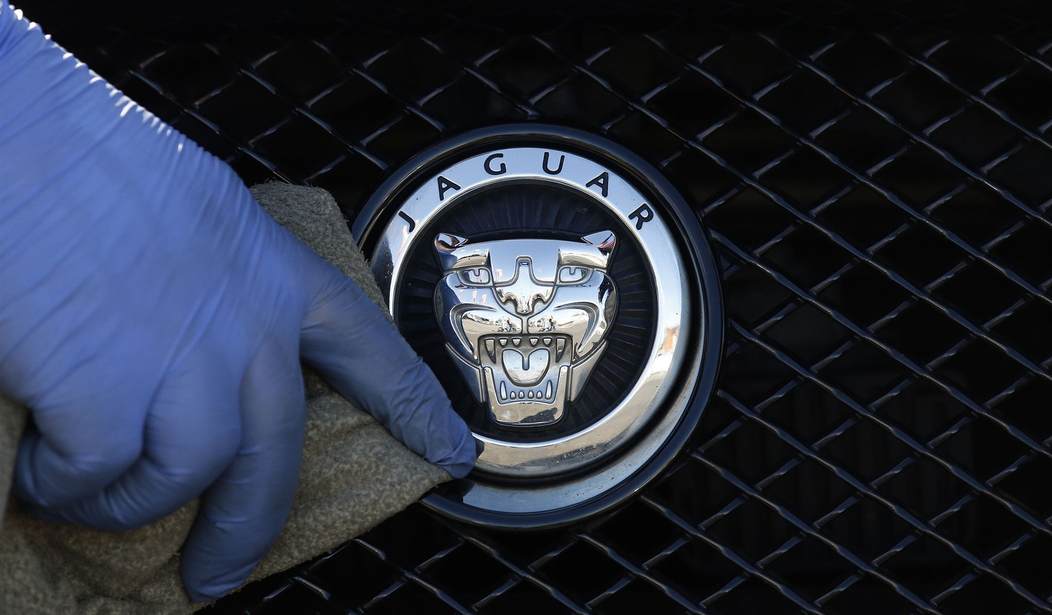
I previously reported about Jaguar's attempt to make itself more approachable to people by ditching its personality and niche customer base in order to embrace what they thought was a welcoming look for a new era of customers. In the process, it destroyed its own subculture and is, even as I write this, trying to regain what tribalism it lost.
Read: How Modern Marketing Slays All the Wrong Giants
A better business strategy is to create something that would appeal to a niche market. You make the best product you can for the people who enjoy that specific flavor of thing, and let the quality eventually win outsiders over. If it gets mass appeal, then it's good for you. If it doesn't, then that's just the way the cookie crumbles, but that doesn't mean it crumbled wrong.
The nature of anything is that if a thing is good enough, it will allow for the creation of sub-genres within that genre of thing. Jaguar could've easily kept its niche market and spun off its style and feel into an electric car variant without having to make it seem like they wanted a French gay club on drag night to be its primary customer. It may very well be that, in this age where electric cars are becoming more popular, its loyal customer base might've purchased an e-car, or at the very least, they would've attracted a new kind of customer. The same attitude, the same style, just a different underlying way of getting there.
It might work. It might not. That's the nature of business. It's always been a roll of the dice. However, what has become something that I feel has been proven a rule at this point, is that changing your product to please everyone pleases no one.
Gatekeeping your hobby or fandom, whatever that looks like, isn't a bad idea. It doesn't mean keeping people out who are new, it means keeping things you've all gathered around and formed a community on top of pure from some group trying to change what's inside, oftentimes to suit an agenda that shouldn't have a place in the fandom anyway.