
Shadows in the Catoctins – Weekend at Camp David, 1998
The Marine One rotors thumped a steady rhythm as we lifted off from the South Lawn of the White House. One of my favorite things about working in the White House — on Marine One, I got to operate the radios. 😎
I sat in the cabin, immediately adjacent to President Clinton and the First Lady, the black leather briefcase — America’s Nuclear Football — resting heavy by my feet. As Senior Military Aide to President Bill Clinton, that forty-five-pound satchel never left my side when I was on duty.
RELATED: Buzz Cut: History of the President’s Military Aide and Nuclear Football
Buzz's Travelogues #2: Dawn Over the Tasman
Codes, options, the weight of the world in a bag designed for one purpose: ensuring the Commander-in-Chief could respond in seconds if the unimaginable happened, no matter where in the world we were.
It was a crisp autumn weekend in 1998. The President had decided on a working retreat to Camp David, tucked into a very secluded spot in the wooded hills of Maryland’s Catoctin Mountains.
No grand summit this time — just the First Family, key staff, a handful of advisors, and the military support team that kept everything running. I’d flown C-141s across the globe, from Sydney’s harbor at dawn to combat zones, but nothing quite prepared you for the unique responsibility of being inside the presidential bubble.
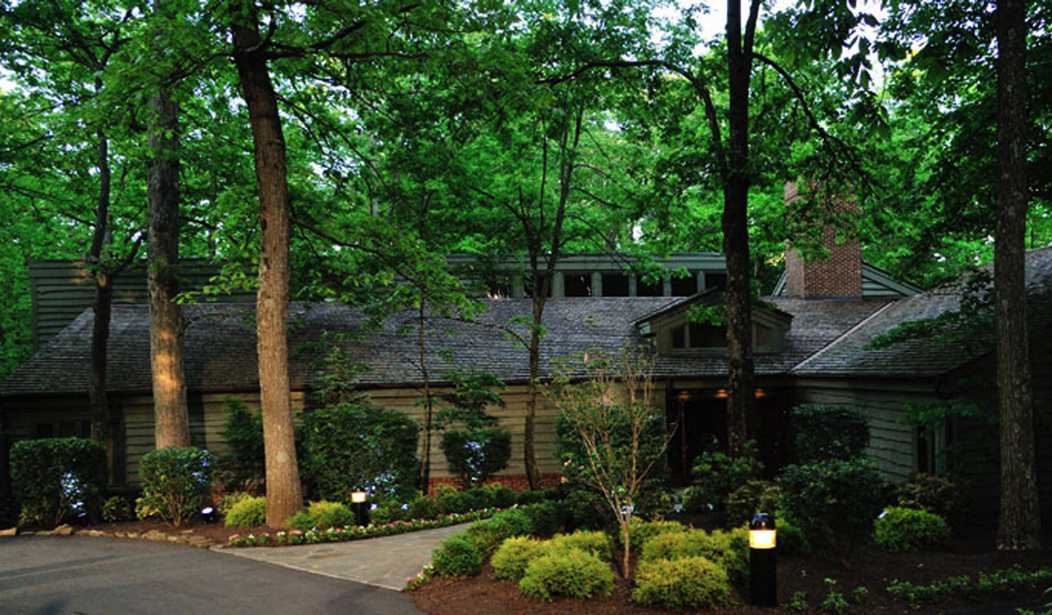
We touched down at the Camp David heliport just as the late afternoon sun filtered through the thick canopy. “Naval Support Facility Thurmont” looked deceptively rustic — log cabins, winding paths, a sense of seclusion that belied the layers of security. My first time, I was honestly shocked at how rustic it looked. I quickly got over that. Marines in camouflage patrolled discreetly. Seabees maintained the grounds. Everything ran with quiet, professional precision.
President Clinton stepped off Marine One with that trademark energy, greeting the base commander warmly. “Buzz,” he called back to me with a nod, “make sure we’ve got everything set for tomorrow’s briefings.”
I affirmed and fell into step, the Football a constant reminder of duty. My role went beyond carrying the bag. As operational commander for all White House military units — including Camp David itself — I coordinated with the Navy, Marines, Air Force One crew, and White House Transportation Agency. One loose thread, and the whole operation unraveled.
That evening, after I settled the Clintons into Aspen Lodge — the presidential cabin with its stone fireplaces and views of the forest — the President gathered a small group for an informal dinner. Conversation flowed from policy to personal stories. I stayed in the background, close enough to respond instantly if needed, watching the man who led the free world unwind in flannel and jeans.
My cabin was right down the path. It was the “Military Aide’s” cabin where my predecessors and successors stayed. Very austere but really comfortable. Completely off the grid except for the massive U.S. national security apparatus that I was a key cog in.
The weight of Lewinsky headlines and impending congressional battles hung in the air, but here in the mountains, there was a deliberate attempt at normalcy. Staffers played horseshoes or went to the bowling alley or theater. The President snuck in a few moments on the putting green.
The next morning broke cool and clear. I joined a small security perimeter walk with the President and a couple of advisors. The trails wound through dense woods, leaves crunching underfoot. They discussed Middle East updates, domestic priorities, and the importance of keeping America’s military edge sharp.
Later, while the President worked on remarks in the Laurel Lodge conference room, I coordinated with the White House Mess for meals and checked in with the communications team. Camp David’s secure setup allowed real work to happen away from Washington’s fishbowl. No press pool crawling the grounds. Just focused time. I stole a quiet moment on a bench overlooking a small pond, reflecting on the contrast: Months earlier, I’d been pushing metal around the world. Now, I was side-by-side with the President of the United States.
By Sunday afternoon, as we prepared to depart, the president thanked the Camp David staff personally — his way of acknowledging the unseen warriors who made these retreats possible. Marine One lifted off, the Catoctins shrinking beneath us.
That weekend wasn’t flashy. But it was pure service: ensuring the President had space to think, plan, and lead. Back at the White House that evening, I logged the trip and prepped for the week ahead.
Another entry in the mental logbook: Camp David, 1998. Mountains, duty, and the quiet weight of the Football.