








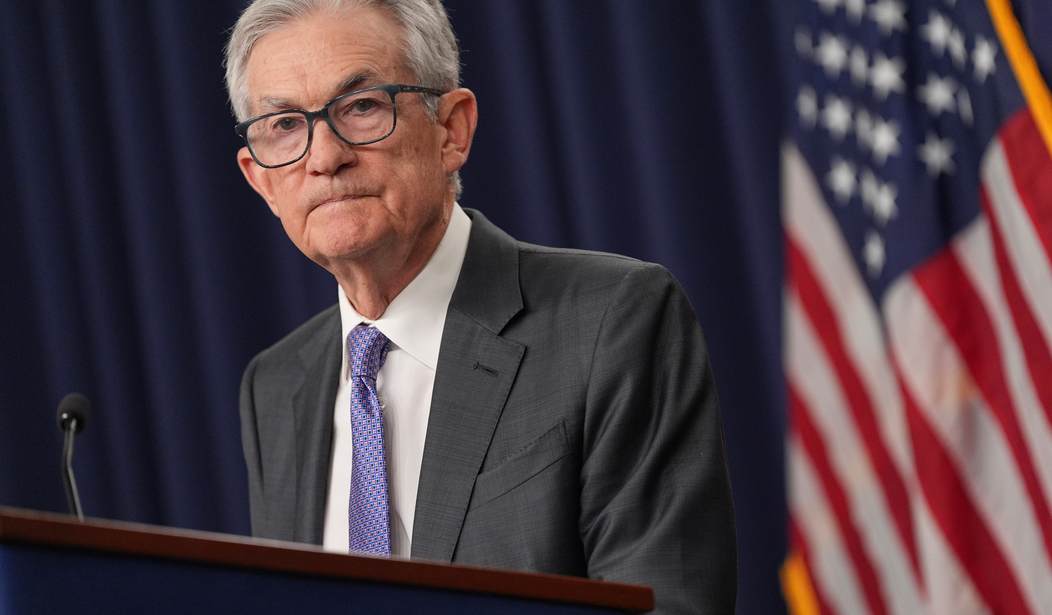
The Federal Reserve is standing still at a moment when almost nothing else is.
On Wednesday, the central bank left its benchmark interest rate unchanged for the second straight time in 2026, keeping it in a range of 3.5 percent to 3.75 percent as officials try to sort through a murky economy and a war-driven energy shock. The move was widely expected. The backdrop was not. Oil prices are climbing, inflation remains above target, and the Iran conflict has added a new layer of uncertainty, leaving the Fed trying to decide whether the bigger danger is inflation that will not cool or a job market that is already slipping.
Energy is not abstract here. When oil jumps, it moves through shipping lanes, trucking routes, and supply chains before showing up in everyday prices. Businesses absorb what they can, then pass the rest along. The Fed cannot control Tehran, the Strait of Hormuz, or the global oil market. It can only decide whether to sit still, squeeze harder, or risk moving too soon.
“The conflict with Iran has dramatically altered the backdrop to the March Federal Open Market Committee meeting and significantly increases the risks to inflation and the economy,” Michael Pearce, chief U.S. economist at Oxford Economics, said in a March 17 research note.
Before the fighting, economists had been looking toward a possible June cut. Now that looks far less likely, as the oil shock collides with inflation already running hotter than the Fed wanted.
And the inflation side of this was not exactly calming down before the geopolitical crisis hit. Producer prices in February rose 3.4 percent from a year earlier, the biggest annual increase in a year, suggesting price pressure was still building even before energy costs surged.
“This isn’t the kind of PPI report the Fed wants to see,” Nationwide Financial Markets economist Oren Klachkin said. “This report suggests inflation was going to accelerate even before the Iranian conflict hit.”
If inflation was already sticky before the war, then oil becomes less of an excuse and more of an accelerant.
The Federal Open Market Committee voted 11-1 to hold rates steady, and its updated projections now point to just one rate cut this year and another in 2027, a slower and more cautious path than markets had been counting on as officials weigh inflation risks against a softening economy.
Read More: Scott Bessent Floats Senate Banking Committee Probe of Jerome Powell Instead of DOJ Investigation
Fed Holds Rates Steady in January 2026: Key Decision Details
The labor picture is what keeps this from becoming a simple inflation story. The U.S. unexpectedly shed 92,000 jobs last month, giving Fed officials one more reason to hesitate before tightening policy further.
If oil settles, the Fed gets breathing room. If it does not, the pressure compounds, tightening the choices in front of policymakers. The next move is even harder, not easier, and it will not be driven by domestic data alone but by events unfolding in the Middle East, in shipping lanes, and in the price of a barrel of oil.
Editor’s Note: Every single day, here at RedState, we will stand up and FIGHT, FIGHT, FIGHT against the radical left and deliver the conservative reporting our readers deserve.
Help us continue to tell the truth about the Trump administration and its successes. Join RedState VIP and use promo code FIGHT to get 60% off your membership.

Join the Conversation
VIP members get the ability to comment on articles.