
In the summer of 1992, my wife and I closed on our first home - at least, the first one we were buying. It was in the early stages of a major Denver-area real estate boom, so our timing was good. The house was what our realtor called a starter home, and since we were starting, with a 10-year-old and a baby on the way, it was ideal. The house wasn't big, only a thousand square feet, but I partially finished the basement, making some more livable space. We cleaned it, we landscaped, we painted, we rewired, doing all the work ourselves, helped by my Dad, who could fix anything, and by how-to books from the library, this being the pre-internet years.
The house had a big yard and was in a quiet, stable working-class neighborhood. We stayed there for six years before my career, and our income, rose enough to move into the huge, rambling barn of a house that our kids grew up in. That starter home got our feet on the first couple of rungs on the equity ladder. Between my sweat equity and the boom in housing prices, we sold that house for almost twice what we paid for it, which helped in buying a bigger, newer house. That's how these things used to work; that's how they were expected to work. But these days, the idea of the starter home seems to be fading away, especially (big surprise) in California, for a couple of reasons.
Whatever happened to “starter homes,” those modest dwellings that met the growing demand during the postwar boom and are a key part of housing’s “missing middle”?
The concept of starter homes picked up after World War II. They were built with first-time buyers in mind. Developers knew that if they could “build and sell new homes for two-and-a-half times median household income in a neighborhood, people line up around the block to buy them,” says Builder magazine.
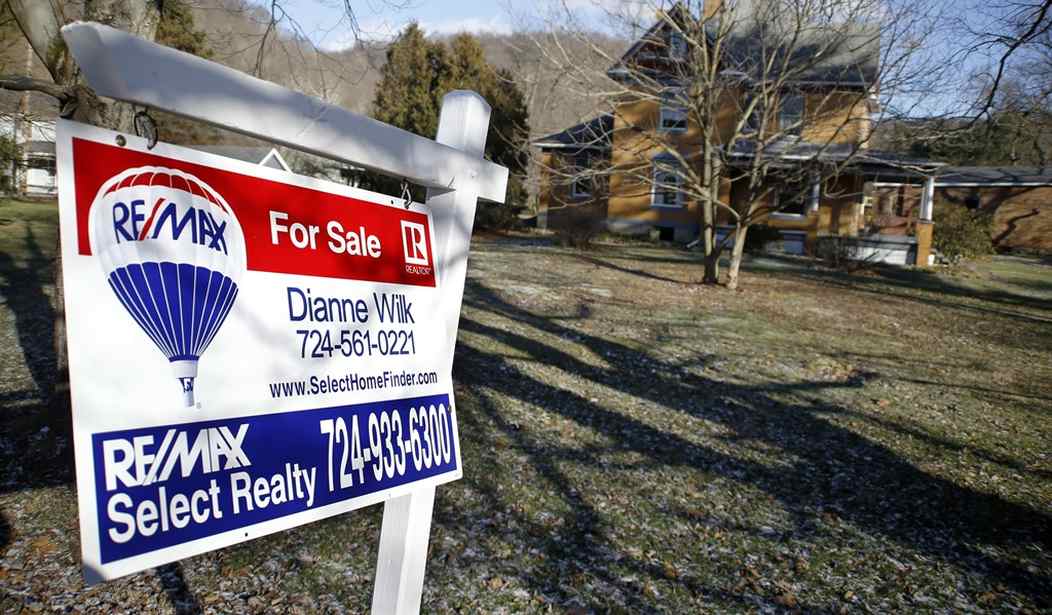
Starter homes are small “two-bedroom houses with one bathroom and few frills,” according to Realtor.com. They often are around 1,000 square feet and tend to be rather plain. Often they are located on small lots.
But they’re not being built. “The share of entry-level homes in overall construction” says Freddie Mac, fell from four in 10 “in the early 1980s to around 7% in 2019.” The Home Buying Institute finds that the problem hasn’t improved in the last seven years, with starter homes “steadily disappearing from the U.S. housing market.”
The lack of new building is driving up the cost of these small houses, and we should note that a small, two-bedroom house with one bath is not only ideal for a young family starting out, but also for an older, empty-nester couple who are looking to downsize; and those empty-nesters are as often as not sitting on a considerable amount of equity that the younger families just don't have.
In California, the problem is especially dire, and a big part of this is due to land-use regulations. Land is too pricey to build starter homes, but larger, more costly homes are economically viable on that expensive land.
Land has become too expensive to accommodate starter-home construction. The margins for starter homes in California are thinner than they are for larger homes, so there’s little incentive for builders to invest in them.
This explanation is incomplete, though — it doesn’t tell us why land has become so costly. Generally speaking, land has been made artificially expensive due to zoning rules. This is particularly relevant in California, where zoning has been historically restrictive.
That's changing, even in California, but it may be too little, too late. The real estate market is changing, especially for young people, and there are a couple of trends that may make the starter home as we know it, obsolete.
Read More: Rooms for Rent: An Old Solution for New Affordable Housing
Economic Victory: Lowest Rates Since 2022 Should Fuel New Housing Revival
The primary change is this: Young people are waiting longer to get into the real estate market. Our own family has seen this; while our two older kids own homes in a small, eastern Iowa town where house prices are modest, the other two live in a suburb of Denver, and can barely afford a rented townhome, even with their three incomes, and they are in their 30s. Young people are increasingly waiting and buying "forever homes," in which they plan to stay; not a stepping-stone, but a hurdle.
Fresh data from BMO shows Americans are entering the housing market later than ever, with first-time buyers now averaging around age 40.
That delay is reshaping what they want. Instead of smaller, short-term purchases, many are targeting homes that can handle everything at once, from raising a family to housing older relatives and even bringing in rental income. In short, they’re looking for a one-time buy of the home they’ll live in forever.
The numbers underscore the shift. About 65% of would-be buyers expect their first home to be their only one, signaling a move away from the traditional trade-up model.
The starter home may still be a thing, but as noted in my own family's experience, they are increasingly tending to take the form of rental properties; that means, no equity building. That's a problem, and it further delays these young people's steps on not only the real estate ladder, but the prosperity ladder.
It's not too late to bring back the notion of the traditional starter home. Deregulation, zoning reform, and opening up new land for development all play a part. Not only will this be a big help to young families starting, but it will also be a big help to our economy as a whole; generating wealth helps everyone, and the primary way most families accumulate net worth is through real estate - their homes and the land those homes stand on.
Over-regulation and onerous zoning are, in large part, what killed the traditional starter home. It's past time we fixed the problem, so that young families can take their first steps into their adult lives in homes with yards, and more importantly, with their names on the deeds. After all, if you own something, you care for it, you put effort into it, and you will do anything to hang on to it. These, too, are positives for everyone.
Best of all, it builds families. My wife and I, decades later, still look back with nostalgia and fondness on those first few years in that small house on a quiet street. It was ours; we had a mortgage, sure, but it was ours, for the first time in either of our lives. That brings with it a pride, a pride in home-ownership, that you just can't get any other way.