
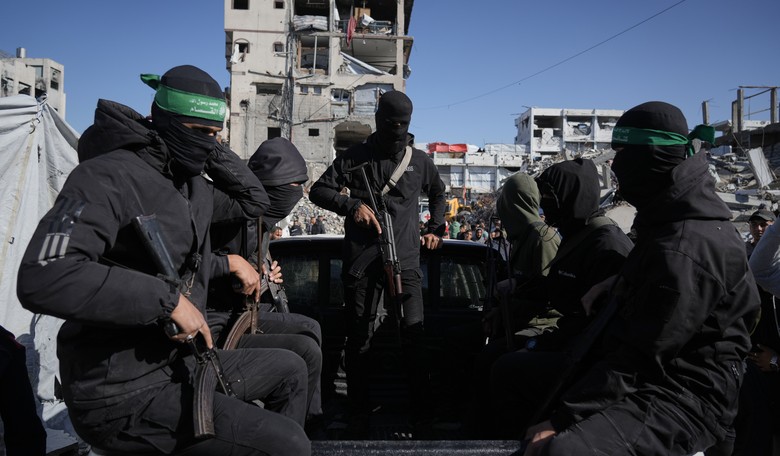
Hamas thought cryptocurrency was untraceable. The Justice Department just proved otherwise, seizing more than $560,000 in digital donations and dismantling part of the online network the terrorist group was using to raise it.
The FBI seized domains and servers tied to Hamas’ military wing, the Al Qassam Brigades, along with cryptocurrency donations headed its way. Investigators also came away with information on thousands of people who contacted Hamas online trying to donate money. DOJ says that information will now feed future counterterrorism investigations.
The money did not come from one big seizure. Federal investigators spent more than a year following it.
Three court-authorized warrants, dated March 25, June 25, and October 10, 2025, ultimately allowed the FBI to grab roughly $560,000 in cryptocurrency. Investigators used multiple human sources to identify wallets tied to the operation and to trace the money through a rotating collection of crypto addresses that Hamas distributed via an encrypted group chat and a fundraising website.
U.S. Attorney Jeanine Ferris Pirro did not dress up the message:
“A message to Hamas: We will stop your fundraising for terror. Your networks are not secure, your crypto is vulnerable, and we will not stop until your ability to wage war is defeated.”
The FBI did more than empty wallets.
Agents with the Albuquerque Field Office also identified and seized domains and servers controlling AlQassam.ps, the Al Qassam Brigades’ main website. Taking control of that infrastructure allowed investigators to intercept cryptocurrency donations that were still being sent to Hamas.
Assistant Attorney General for National Security John Eisenberg tied the operation directly to October 7, and made clear this is about more than money:
“These seizures deprive Hamas of resources it relies on to recruit and radicalize individuals online and finance barbaric attacks like the one on October 7, 2023. We will continue to tighten the vise on Hamas’s capacity for terror by infiltrating its online networks, confiscating its cryptocurrency, and shutting down its websites.”
This wasn't the first hit.
Back in March 2025, DOJ announced the seizure of about $201,400 in cryptocurrency tied to Hamas fundraising addresses. Those addresses had already been used to launder more than $1.5 million in virtual currency since October 2024.
Court documents laid out how it worked. A Hamas-linked encrypted group chat shared a changing list of at least 17 cryptocurrency addresses with supporters. Donations were moved into an operational wallet, then shuffled through exchanges and other transactions involving suspected financiers and over-the-counter brokers. More than $1 million went through the system described by investigators.
The March seizure alone included about $89,900 tied directly to crypto addresses and another $111,500 sitting in three accounts registered to Palestinian individuals living in Turkey and elsewhere.
And Hamas had been at this for years.
FBI affidavits say the Al Qassam Brigades began experimenting with cryptocurrency fundraising around early 2019. Hamas solicited donations via Telegram and its websites, providing instructions to help donors remain anonymous. A confidential source in the United States later tipped investigators to a Telegram fundraising post connected to Hamas.
Hamas figured cryptocurrency, encrypted chats, and constantly changing wallet addresses gave it some cover.
The FBI spent years following the trail anyway. Now federal agents have more than half a million dollars that was headed to Hamas, control of its main fundraising infrastructure, and a list of thousands of people who tried to bankroll a terrorist organization. That list isn't sitting in a filing cabinet; DOJ says it's feeding future counterterrorism investigations. Hamas picked the wrong fight with the wrong ledger.