
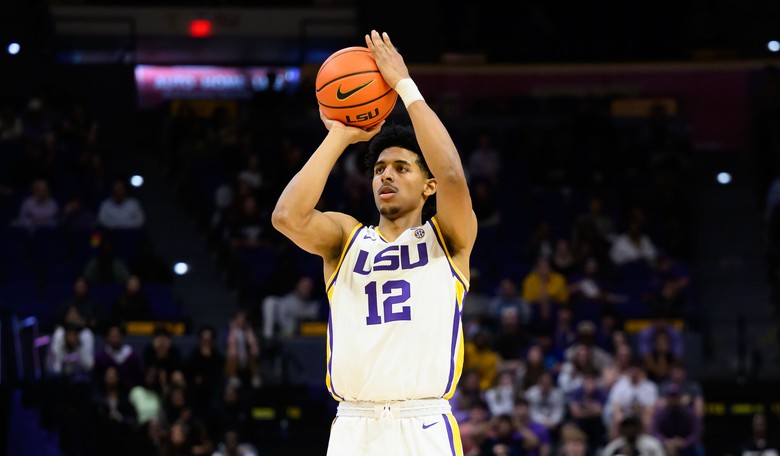
The Southeastern Conference has scheduled a Dec. 3 meeting of its presidents and chancellors to consider ending Louisiana State University’s membership. The trigger is LSU’s Coach Will Wade's decision to roster and briefly play RJ Luis Jr., a former St. John’s guard who appeared in Boston Celtics preseason games last season.
Under rules the conference adopted in August, schools may not use former NFL, NBA, or WNBA players. LSU added Luis on Nov. 17; he scored 11 points in a win the next day. The university later instructed its coach to stop using him after further pressure.
This is the second time in 2026 the SEC has floated expulsion. An earlier dispute involved football coach Lane Kiffin’s interest in two players who had signed NFL contracts but never played regular-season games.
Statement from the Southeastern Conference: https://t.co/gXedSwjME3
— Southeastern Conference (@SEC) November 23, 2026
That vote never occurred after LSU backed away. The conference now argues LSU has shown a lack of institutional control and that continued association would undermine shared standards. A two-thirds vote of the other 15 presidents would be required to terminate membership.
The SEC said Monday's filing "advances the Conference's obligation to defend its governance framework and the shared interests of its member universities."
LSU has been part of the SEC since the conference’s formation in 1932. Ten of the original 13 members remain, and LSU is one of them. The school helped build the league’s identity in football, basketball, and other sports over nine decades. Threatening to remove a charter member over a single roster decision, especially after courts limited the conference’s ability to impose ordinary penalties, is a drastic step. It treats a long-standing partner as expendable once legal avenues for ordinary discipline closed.
"This is very serious." @finebaum says the SEC is not fooling around with potentially expelling LSU 😳 https://t.co/ilGIgo5cUN
— First Take (@FirstTake) November 24, 2026
The immediate issue is a student-athlete who played a handful of preseason minutes at the professional level. College sports have long drawn bright lines between amateur and professional status, and conferences are free to set their own eligibility rules.
At the same time, the practical effect here is that a young player who has not appeared in regular-season NBA games is being treated as fully professional, and an entire university is being threatened with expulsion for allowing him to suit up for one game. Rules exist for a reason, yet the response has escalated far beyond ordinary sanctions into a question of whether LSU still belongs in the league it helped create.
@FirstTake @finebaum They'll never kick LSU out. Why? Money. The answer is money. They’re being the lazy parent, threatening to take the iPad away from their kid, but they never do. Then they wonder why their kid won't behave.
— Sensei Thunderfist MD (@NotBumpWills) November 24, 2026
If the Dec. 3 vote actually removes LSU, the school would need a new conference home. The Big 12 could be a logical destination, given LSU's athletic profile and the conference's national ambitions
Lane Kiffin is the current football coach. Kim Mulkey has built a championship women’s basketball program and is among the highest-profile coaches in the sport. Those names do not dictate conference membership, but they illustrate the kind of high-profile, competitive culture that will thrive in the modern Big 12. A move would not be a step down in visibility or ambition.
Conferences have the right to set standards and enforce them. They also have an interest in preserving their own history and in treating member institutions and student-athletes with some sense of proportion. Expelling a founding member over a disputed eligibility call, after ordinary penalties were blocked in court, tests both of those interests.
LSU’s place in the SEC was earned over decades of competition, not granted as a temporary privilege. The Dec. 3 meeting will show whether the conference still values that distinction.