






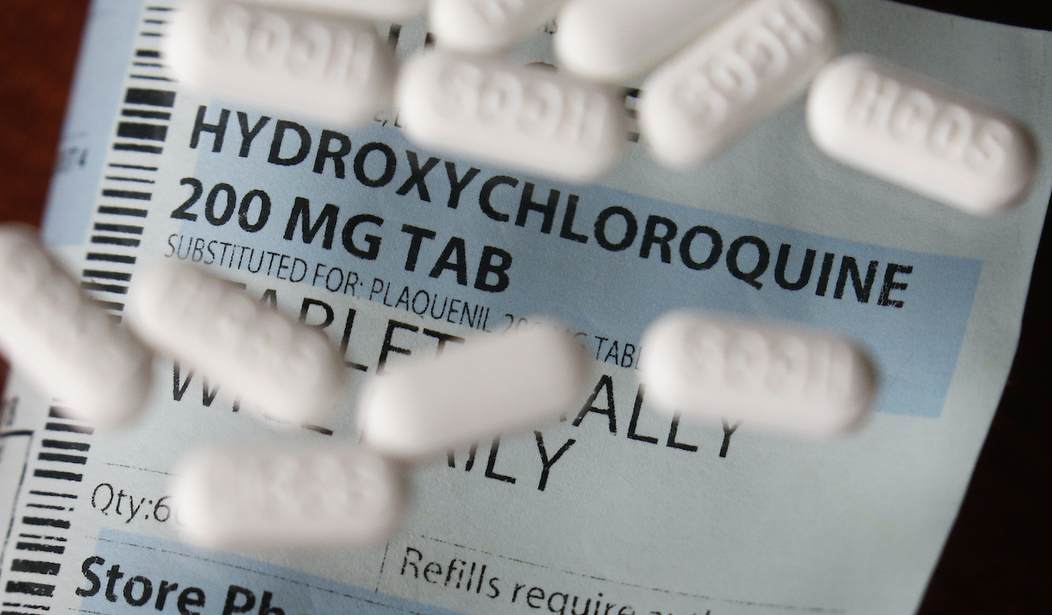
President Trump took a practical step last week to address one of the most stubborn problems facing our military veterans: the lingering effects of post-traumatic stress and traumatic brain injuries that standard treatments too often fail to resolve. On April 18, the president signed an executive order directing the Food and Drug Administration to accelerate its review of certain psychedelic compounds, including ibogaine, a substance derived from an African shrub.
The order also allocates resources for research and encourages partnerships with states already exploring these options. Health Secretary Robert F. Kennedy Jr. has signaled support for easing barriers to legitimate medical study. The focus is clear: Veterans who have served in combat deserve every reasonable chance to reclaim stability and purpose.
Ibogaine has drawn attention from veterans and some clinicians because early evidence suggests it can interrupt cycles of severe PTSD, depression, anxiety, and even opioid dependence in ways that conventional therapies sometimes cannot. A small Stanford study involving 30 veterans treated abroad reported meaningful reductions in symptoms of traumatic brain injury and related conditions.
Thanks to the leadership of President Trump, under this historic Executive Order, @HHSGov will accelerate research, approval, and access to new mental health treatments, including psychedelic therapies such as ibogaine. pic.twitter.com/ZiUl5IaoBL
— Secretary Kennedy (@SecKennedy) April 18, 2026
READ MORE: Kyrsten Sinema Is Back on the Scene With a Trippy New Cause She Hopes Will Catch on With MAHA
Veterans like former Navy SEAL Marcus Luttrell have spoken openly about personal benefits. Texas has already committed $50 million to its own research program, reflecting a willingness in red states to test promising ideas rather than dismiss them outright. That said, caution is warranted. Ibogaine is currently classified as a Schedule I substance, and for good reason. It carries documented risks, particularly to heart rhythm, with reports of serious cardiac effects and even fatalities in unsupervised settings.
Past federal research in the 1990s was halted over concerns about cardiovascular toxicity. Any path forward must prioritize rigorous, controlled clinical trials conducted under strict medical supervision, with clear protocols for patient screening and monitoring. Speeding review does not mean lowering standards. It means removing unnecessary bureaucratic delays that have kept potentially useful tools out of legitimate scientific hands while veterans continue to struggle.
The Veterans I've spoken with have all said Ibogaine has drastically helped them, and fellow Vets with their drug addictions. Thanks to The President, they won't have to fly overseas now to get it. This should have massive impact on the suicide rate amongst America's Finest. https://t.co/Pb44LazoHA
— John Rich🇺🇸 (@johnrich) April 18, 2026
This approach aligns with a conservative emphasis on results over ideology. For too long, federal policy on mental health treatments for service members has leaned heavily on pharmaceuticals that manage symptoms without always addressing root causes. Veteran suicide rates remain tragically high. If carefully studied compounds can offer relief where other options have fallen short, it makes sense to examine them without prejudice.
The executive order does not legalize recreational use or bypass safety requirements. It simply instructs agencies to treat veteran mental health as a national priority and to gather better data. Critics may worry that any discussion of psychedelics risks normalizing dangerous substances. That concern is understandable.
Retired U.S. Navy SEAL Marcus Luttrell opens up about how psychedelic drugs can help veterans—and the impact they’ve had on his own life.
— Fox News (@FoxNews) April 18, 2026
LUTTRELL: “You’re going to save a lot of lives with it. I’d like to say how grateful I am to have had the opportunity to go through the… pic.twitter.com/Nq1LjlVrK6
Yet the alternative, sticking rigidly to status-quo treatments that leave thousands of veterans in distress, is no virtue. True prudence demands weighing evidence as it emerges. The order creates space for objective study, including collaboration with the Department of Veterans Affairs, while keeping the drug’s legal status intact for now.
America owes its veterans more than platitudes. We owe them policies grounded in realism: honor their service by pursuing solutions that work, even if those solutions once seemed unconventional. Fast-tracking responsible research is a measured response to a serious need.
Congratulations to my team at Ambio, and to my dear friends, colleagues and partners, Marcus Capone, Rob O’Neill, Joe Rogan and all on this amazing crusade for the betterment of humanity!
— Conor McGregor (@TheNotoriousMMA) April 19, 2026
Ibogaine for sure is the REAL DEAL.
Ireland, I pray we get this! If God wills it I will… https://t.co/RbkBukK9jo
This step respects the gravity of the risks while refusing to abandon hope for those who have borne the heaviest burdens in defense of the country. The coming months will test whether this initiative delivers. Large-scale, placebo-controlled trials must follow. Safety cannot be compromised, and efficacy must be proven before wider adoption. But the direction is sound.
When veterans report that a treatment helped restore their lives, policymakers should listen and insist on the science needed to validate or refute those accounts. In this case, the Trump administration has chosen action over inertia. That is a step worth watching closely.
Editor’s Note: Do you enjoy RedState’s conservative reporting that takes on the radical left and woke media? Support our work so that we can continue to bring you the truth.
Join RedState VIP and use the promo code FIGHT to get 60% off your VIP membership!
Join the Conversation
VIP members get the ability to comment on articles.