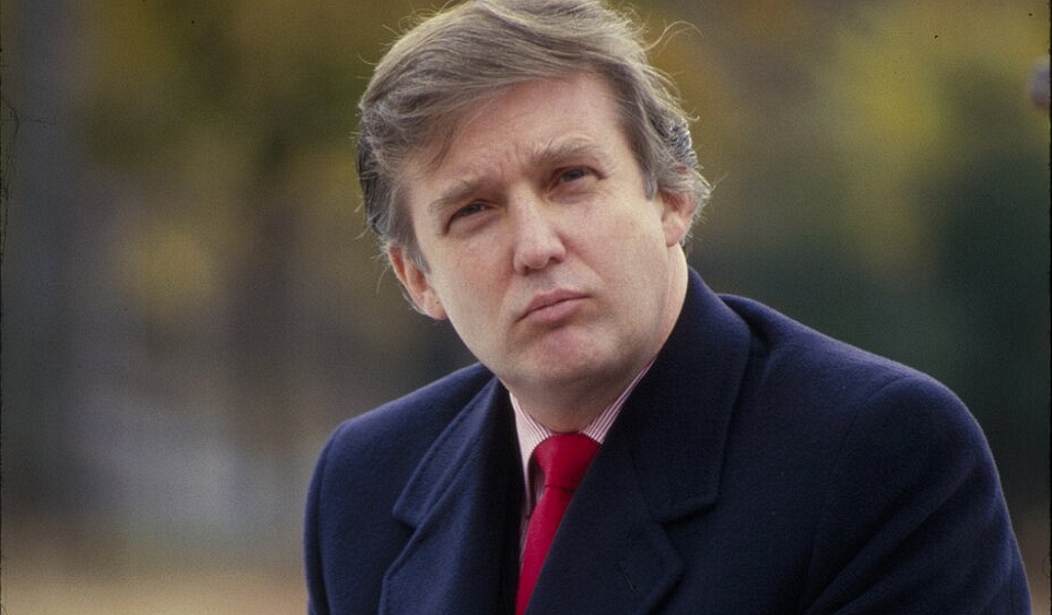

I spent some of my growing-up years in New York City, and I certainly knew who Donald Trump was. He was a headline machine, a celebrity, a successful businessman, and a Manhattan staple.
But I had other things to do other than obsessing over the news cycle — as I do nowadays in my line of work — because I was busy playing soccer, trying not to get in trouble at school, and attempting to understand girls. I admit to having never watched a single episode of The Apprentice, and while I assume it was entertaining because it was so successful, it never made me think “that man is presidential material.”
When Trump came down the golden escalator in June 2015, I was amused, and while I immediately liked his message, it never occurred to me that he could actually win. The game just seemed to be too rigged. No way could he take on the Obama-Clinton Democrat regime and come out the better for it.
But win he did, and I remember how thrilled I was on November 8, 2016, when he took the Big Prize and sent Hillary packing. I was overjoyed — just as I was utterly devastated four years later when Joe Biden supposedly got over 81 million votes in 2020.
One thing I never had done, however, was read Trump’s 1987 book — co-authored with Tony Schwartz — The Art of the Deal. I had just always assumed it was a glossy self-promotion tome meant to enhance his image, since he was becoming an ever-growing sensation in those years.
But I’ve read it now, and I can tell you that I found it fascinating, gripping, and the key to understanding the current president of the United States.
He tells you exactly who he is, exactly how he conducts business, and exactly how he became so successful. In short, every one of his opponents, both foreign and domestic, should be studying it nightly — former Venezuelan president (dictator) Nicolás Maduro should have taken notes, the Iranian late Supreme Leader Ayatollah Ali Khamenei should have been poring over it by candlelight every evening, and failed presidential candidates Hillary Clinton and Kamala Harris should have been better prepared for what was coming for them.
We need to get the kids reading books again. pic.twitter.com/wYTM607VjO
— Raider (@LibertyRaider) April 7, 2026
Trump doesn’t hide who he is in the book. Whenever you wonder, “What’s he doing now?!”, you might want to remind yourself of the negotiating style he told the world about 39 years ago.
Although there are multiple summaries on the interwebs of The Art of the Deal, and they contain a different number of bullet points, I’ll pick one that gives you a pretty good summary of how he said he operates (emphasis theirs):
#1. Deal With the Top
Trump says that at a certain point at the beginning of his career, he wondered why so many of his deals fell through.
Then he realized that it was because he wasn’t dealing with the top guys. Anyone in an organization who’s not the founder or at the top is an employee.
#2. Think BigTrump says:
Think big. I like thinking big. To me it’s simple: if you’re going to think anyway, you might as well think big.
#3. Total Focus
Trump says that one of the keys to thinking big is total focus.
Trump is talking about the single-minded focus on “more, more, more” and “win, win, win”.
#4. Protect the Downside
Trump: It’s been said that I believe in the power of positive thinking. In fact, I believe in the power of negative thinking. I happen to be very conservative in business. I always go into the deal anticipating the worst. If you plan for the worst—if you can live with the worst—the good will always take care of itself
#5. Don’t Gamble
Protecting your downsides also means you don’t gamble your money.
Trump says:People think I’m a gambler. I’ve never gambled in my life.
#6. Keep Your Options Open
An effective technique with which you protect your downside is by maximizing your options.
Always keep several balls in the air, says Trump, because invariably some deals won’t happen, even when they seem very promising.#7. Ask Everyone for Opinion – But Not Consultants
Trump believes in his instincts and he rarely hires consultants or “number crunchers”.
While he admits they are the best in their business, he sounds slightly disparaging towards an experience he had with McKinsey for example.
#8. Look After Your Money
Trump believes in spending what you need to spend -and what you have to spend-.
But not more.
#9. Take Care of Appearances
Trump makes the case that how you present your assets makes the whole difference.
I loved this quote so much that I recited it more than once in my life.
Says Trump:
I can always tell a loser when I see someone with a car for sale that is filthy dirty. It’s so easy to make it look better. It’s no different in real estate.
#10. Get Great People and Push Them Hard
Trump says that a huge of what brings success is getting the best people and then pushing them to do their best job.
He says:
My philosophy is always to hire the best from the best.
What’s not noted in this summary is another thing I took away from the book: Trump’s modus operandi is to ask for the sun, knowing the likely outcome is he’ll walk away with the moon — which is what he wanted anyway. He also reiterated that he is never afraid to walk away from a deal, no matter how “yuge” it is, if he doesn’t think it’s advantageous.
WHEELIN’ AND DEALIN’: No, President Trump Won't Use Nukes in Iran
There Will Never Be Another One Like Him
Democrats, Euroweenies, and unfortunate leaders like Maduro are confused by the president’s often fiery rhetoric, and they often seem like they have no idea how to deal with him. Hint, geniuses: read his book, where he told you decades ago how he negotiates.
Trump has added a new threat to his arsenal that wasn’t as apparent during his real estate days: the ability to retaliate with overwhelming force against those who he feels crossed him. Just ask the very former Revolutionary Guard Corps (IRGC) General Major Qasem Soleimani.
I’m not claiming that Donald Trump is the Super Genius of All Time, or that he is infallible, or that he can never lose. His Atlantic City real estate career in the ‘90s, for instance, almost cost him his entire empire as his casinos floundered and brought his companies to the brink of financial collapse. He also lost the 2020 presidential election to Joe Biden, of all people, even if many have questioned the integrity of the vote.
What I am saying, however, is that for those who want to understand him, or negotiate with him, or work for him, you’d be utterly remiss if you didn’t study what he told us in the 1980s. (No, I don’t get a cut of any future book sales; this is my opinion only.)
If you’re confused by some of his actions and rhetoric, you shouldn’t be: he put it all in print and is pretty much acting exactly as he did all those years ago.