






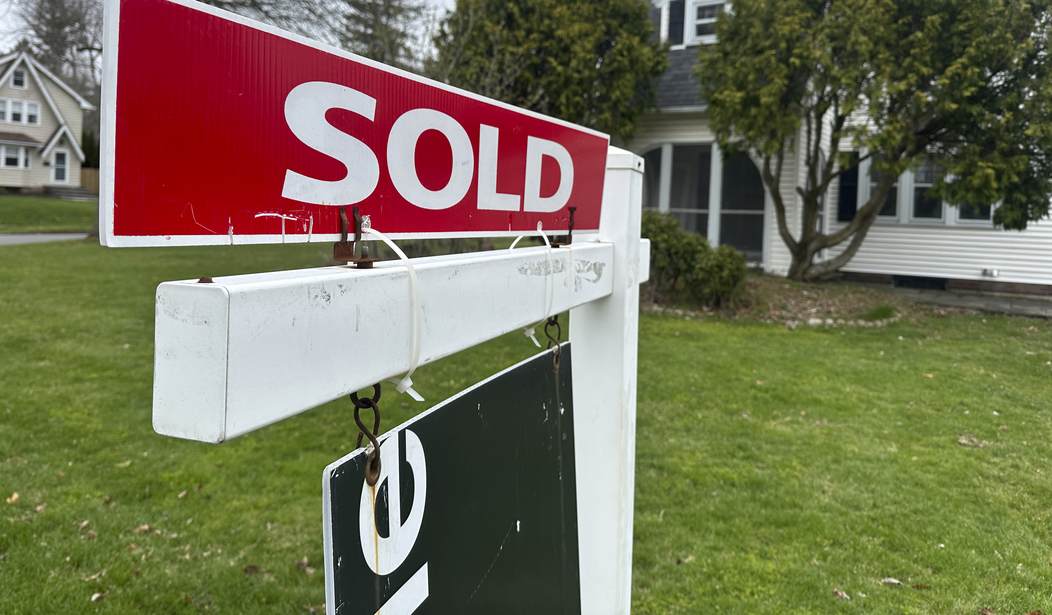
Buying a first home is already out of reach for millions of Americans. A record 242 U.S. cities now have starter homes valued at $1 million or more, roughly triple the number before the pandemic. Home sales have remained near a 30-year low as buyers confront elevated mortgage rates, high prices, and limited supply.
Now a private climate score showing up on major listing sites is knocking down home values before buyers ever schedule a showing.
Consumers’ Research and the American Energy Institute released “The Climate Score Scam” this week, targeting scores produced by First Street and displayed on Zillow, Realtor.com, Homes.com, and Redfin.
The scores estimate a property’s exposure to flooding, fire, heat, wind, and poor air quality. Unlike federally regulated flood maps, the First Street scores rely on predictive models intended to estimate future climate exposure.
"Unlike FEMA flood determinations, established under federal law with formal procedures for review and appeal, these private climate scores are based on forward-looking predictive modeling, not historical or regulatory data; carry no statutory authority; offer little or no meaningful dispute process for homeowners; and can directly contradict FEMA’s official flood determinations."
The report includes a case study involving a $6.2 million property that FEMA placed in Zone X, its designation for minimal flood risk. First Street reportedly assigned the same property a flood-risk score of nine out of 10.
After the score appeared on real estate platforms, the report says showings declined, buyer interest fell, the home remained on the market longer, and the seller reduced the asking price. The report doesn't name the property, so take it for what it is.
Using ownership figures dated December 31, 2025, the authors calculated that Wall Street investment management companies BlackRock, Vanguard, and State Street collectively held 19.25 percent of Zillow Group, 24.79 percent of Homes.com parent CoStar Group, and 24.1 percent of Realtor.com parent News Corp.
The scores reach consumers through platforms that dominate how Americans search for homes. Zillow and its subsidiaries capture an estimated 62 percent of real estate web traffic, and average more than 221 million unique users each month.
A separate proposed class action alleges Zillow misleads buyers who click “Contact Agent” or “Request a Tour” by routing them to Zillow-affiliated buyer agents rather than the property’s listing agent.
Read More: Bipartisan Housing Bill Becomes Law Without Trump's Signature
Illegal Immigration Demand Shock: Why Your Rent Skyrocketed Under Biden
The complaint alleges that some buyers did not understand who would contact them after clicking the buttons and that the affiliated agents owed Zillow a portion of the commission earned after a completed transaction. Zillow has denied that its system deceives consumers.
Zillow’s own materials state that agents participating in its Preferred program pay the company a “Success Fee” after closing a transaction generated through a Zillow connection. Those fees currently range from 15 to 40 percent of the agent’s gross commission income, depending on the sale price and ZIP code.
Consumers' Research wants Congress to require platforms to separate private climate forecasts from FEMA determinations, disclose agreements with data providers, and give homeowners a formal way to challenge scores affecting their property values.
Americans priced out by mortgage rates and record home values already have enough working against them. A private climate forecast should not be allowed to cut into a family’s largest financial asset without transparency, evidence, and a meaningful way to challenge it.
Editor’s Note: Thanks to President Trump’s leadership and bold policies, America’s economy is back on track.
Help us continue to report on the president’s economic successes and combat the lies of the Democrats. Join RedState VIP and use promo code FIGHT to receive 60% off your membership.

Join the Conversation
VIP members get the ability to comment on articles.