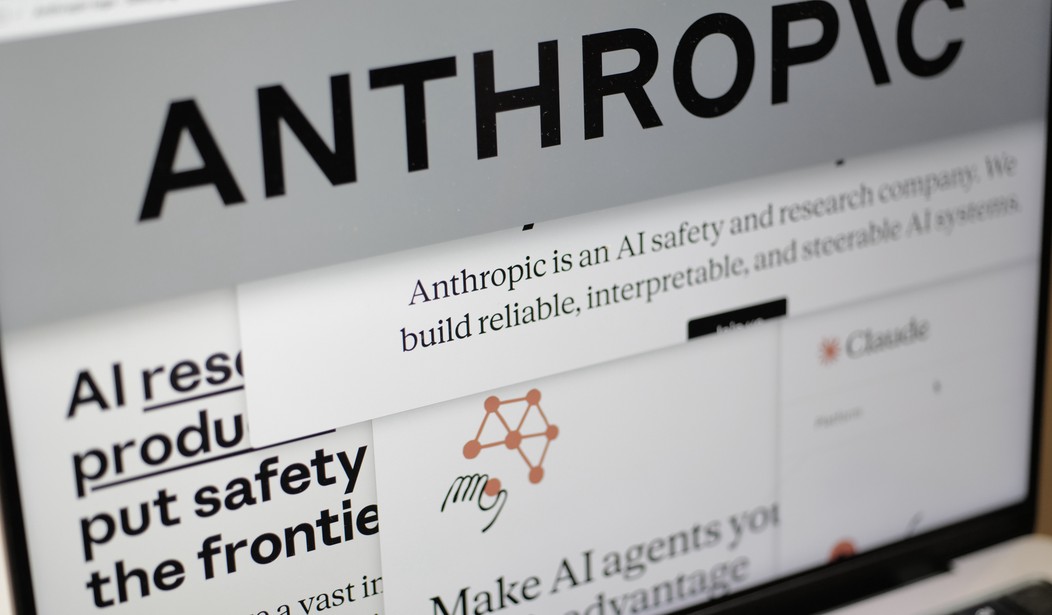
The Trump administration blacklisted Anthropic from government use after talks over AI restrictions fell apart. Federal agencies are now moving ahead without waiting for that fight to resolve.
Despite a court-backed “supply chain risk” designation keeping Anthropic out of Pentagon systems, federal agencies are already testing the company’s new Mythos model, while the White House is negotiating how it could be deployed more broadly across government.
Anthropic attempted to impose limits on how its systems could be used, including restrictions on mass surveillance and autonomous weapons. Defense officials rejected those limits, negotiations collapsed, and the administration moved to blacklist the company. Anthropic then filed suit, arguing the government exceeded its authority.
The Pentagon’s designation remains in effect. It bars contractors from using Anthropic technology in defense work, and a federal appeals court declined to block that restriction while the case proceeds.
Federal agencies are not waiting for that process to play out.
Officials inside multiple agencies have begun evaluating Mythos for cybersecurity use cases, including testing its ability to identify previously unknown software vulnerabilities. The Commerce Department’s Center for AI Standards and Innovation is actively assessing the model, and congressional committees have requested briefings on how it could be used in cyber defense.
"The federal effort to access Mythos underscores how officials are working around the administration’s blacklist in order to evaluate the model’s cybersecurity capabilities."
That work is unfolding alongside discussions inside the White House about whether to formalize access.
Officials are in active talks with Anthropic about deploying the model across civilian agencies, even as the Pentagon maintains its restriction. The talks reflect a split inside the administration over whether limiting the company’s technology is sustainable given its national security applications.
“There’s progress with the White House. There’s not progress with [the Department of] War,” one administration official said, describing the divide between civilian agencies and the Pentagon.
Civilian demand for the technology has continued to expand. Agencies responsible for protecting energy, financial systems, and other infrastructure are exploring how models like Mythos could identify vulnerabilities before adversaries exploit them. Officials have warned that delaying adoption carries risks, as foreign competitors move to develop comparable systems
Read More: White House AI Plan Signals Government No Longer Fully in Control of the Technology
Pentagon Blacklists US AI Firm Anthropic and Court Refuses to Stop It
That pressure mirrors the administration’s earlier assessment.
The White House’s March AI framework described artificial intelligence as already embedded across government systems and expanding faster than policymakers can regulate, warning that deployment is outpacing the rules meant to govern it
The policy has not changed. The restriction remains in place, and the courts have left it standing.
What has changed is how the government is operating around it. Agencies are testing the technology, officials are pushing for access, and the White House is negotiating its use.
The policy says one thing. The system is already doing another.
Editor’s Note: Do you enjoy RedState’s conservative reporting that takes on the radical left and woke media? Support our work so that we can continue to bring you the truth.
Join RedState VIP and use the promo code FIGHT to get 60% off your VIP membership!











Join the conversation as a VIP Member