
Just one day after celebrating Veterans Day, the Trump administration has made a bold investment in an unconventional treatment that could help treat post-traumatic stress disorder (PTSD).
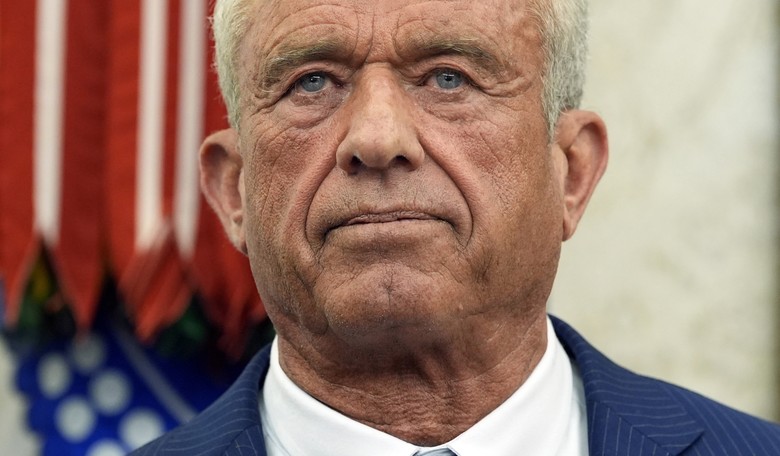
Department of Health and Human Services (HHS) Secretary Robert F. Kennedy Jr. announced Thursday that his department will be investing nearly $5 million in research involving ibogaine, a strong psychedelic drug that has shown to be a potential treatment for PTSD and other mental health conditions.
"Veterans kept their promise to this country. We must keep ours," Kennedy said. "Veterans have told us ibogaine changed their lives. Their experiences demand serious scientific investigation. We will pursue the evidence, confront the risks and put affordability at the center of this work."
.@SecKennedy makes MAJOR ANNOUNCEMENT on investments to advance research into ibogaine as a potential treatment for PTSD! “@HHSGov is committing up to $4.9 million through @ARPA_H to advance ibogaine treatments for PTSD. These awards will support the scientific, regulatory, and manufacturing work necessary to prepare for future U.S. clinical trials.”
— HHS Rapid Response (@HHSResponse) November 12, 2026
The new government funding – awarded through HHS' Advanced Research Projects Agency for Health (ARPA-H) – into ibogaine research will help pave the way for future clinical trials in the U.S.
Ibogaine is a naturally occurring psychedelic substance derived from a shrub found in West Africa. It has attracted attention in recent years due to its potential to treat PTSD, depression, and addiction, with some U.S. veterans already going overseas to test it as a treatment for their disorders.
Kennedy also announced that $20 million in funding would be made available to study other fast-acting mental health treatments, including ketamine and psilocybin.
Thursday's announcement builds on an executive order signed by President Trump in April to speed up research into these promising new mental health treatments. HHS is working with the VA to make those treatments available to veterans as quickly as possible after they receive FDA approval.
Veterans Administration (VA) Secretary Doug Collins welcomed the announcement, saying, "Veterans deserve effective treatments and clear answers about the benefits and risks of those treatments." He continued, "We look forward to working with HHS to explore the possibilities of ibogaine and prepare our clinicians to deliver new treatments if they earn FDA approval."