
The Trump administration is tightening the economic noose around Iran's ruling regime, sanctioning 22 vessels involved in transporting Iranian oil and petroleum products while removing two others from the sanctions list after they severed ties with the regime's shadow fleet.
As part of Operation Economic Outcast, Treasury announced sanctions against 17 vessels and the companies behind them that have been transporting Iranian crude oil, petroleum products, and petrochemicals to foreign markets, while the State Department simultaneously sanctioned five additional vessels, 10 companies, and six individuals involved in Iran's petroleum trade.
The coordinated actions come as the U.S. naval blockade continues to choke off Iranian oil exports. Treasury reported that Iran loaded no crude oil onto tankers in September, and the regime's remaining oil shipments outside the blockade are being depleted.
“Treasury is starving the tyrannical regime in Tehran of the money it uses to wage war in the region, and we will continue exposing those who enable the regime’s oil sales,” Treasury Secretary Scott Bessent said. “No enabler of Iranian sanctions evasion is safe from the full force of Treasury’s authorities.”
According to United Against Nuclear Iran, the amount of Iranian crude in floating storage off Malaysia has dwindled to approximately 10 million barrels or less. A Treasury official estimated that approximately 20 million barrels of Iranian crude remain aboard vessels outside the blockade, including those near Singapore, Malaysia, and China. Thursday's actions further restrict the regime's ability to sell that oil, which is one of the few remaining economic lifelines sustaining the Iranian regime.
Thursday's Treasury action targeted vessels "registered across more than a dozen jurisdictions and operated by an intricate web of international front companies" carrying everything from crude oil to liquefied petroleum gas, naphtha, and petrochemicals. The State Department's additional designations included five vessels — ARGO MARIS, ATHE NOVA, BLACK MAYA, YASHAR, and YONG TAI — along with shipping managers and other facilitators. According to Treasury's press release, this "underscore[s] the global scale of Iran’s illicit shipping architecture and the sophistication with which the regime attempts to mask its sanctions evasion. By dismantling these maritime nodes and the companies behind them."
The State Department targeted companies operating in India, the United Arab Emirates, and other countries, including two Mumbai-based firms accused of facilitating Iranian petroleum transactions.
In a call, a Treasury official told reporters, "Today’s action represents the most significant blow yet to Iran’s remaining illicit maritime infrastructure by neutralizing the vast majority of the shadow fleet. Treasury is cutting off the regime’s last major source of illicit revenue and strengthening international pressure to hold Tehran accountable."
Alongside Thursday's designations, Treasury removed two previously sanctioned vessels, HAKUNA MATATA and PINOCCHIO, from its sanctions list after determining that they had left Iran's shadow fleet and been sold to nonsanctioned, U.S.-aligned operators. The message to other vessel owners is difficult to miss: Continue helping Iran evade sanctions and risk losing access to legitimate international commerce, or leave the network and potentially regain that access.
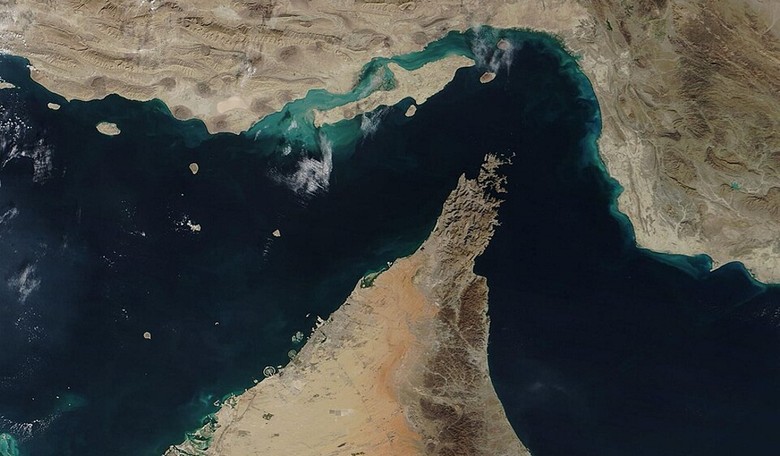
President Donald Trump reiterated Thursday that the blockade would remain in effect, saying Iran was in “very bad condition, both Economically and Militarily,” pointing to 22 million barrels of oil moving through the Strait of Hormuz the previous night, with none coming from or going to Iran.
Secretary of State Marco Rubio also disputed Iran's claims of control over the strait Wednesday, saying Tehran had “lost complete control” and that “There's almost as much oil flowing out now as there was before this conflict began.”
Operation Economic Outcast is swiftly bringing the Iranian regime to a breaking point, Secretary Bessent noted earlier this week:
Operation Economic Outcast is delivering results: the rial has plunged to record lows, Iran loaded zero crude oil onto tankers last month, and even Iran’s top security official has admitted the country is facing one of the most difficult periods in its history.
The Iranian regime allows its own people to suffer while it pours resources into terrorism. Operation Economic Outcast will not stop until the Iranian regime understands that the Trump Administration will never allow the regime to fund terrorism and develop a nuclear weapon.
With the U.S. government's latest actions directly and immediately affecting the regime's ability to bring in cash to sustain its military and terrorism operations, that breaking point could come a lot sooner than some expect.