
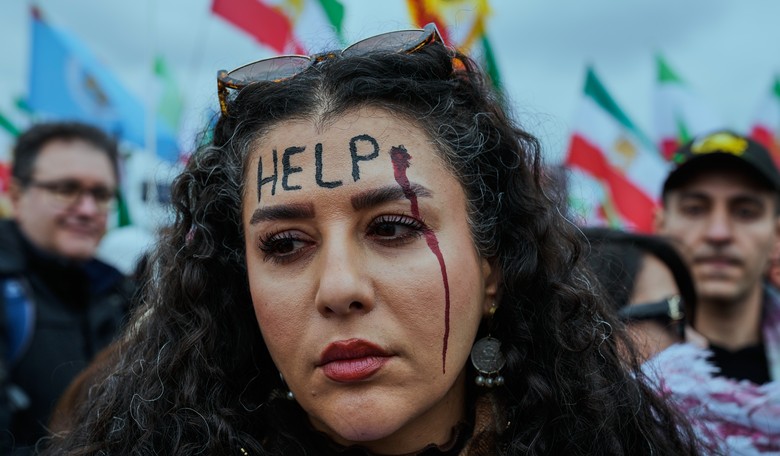
Twin sisters Taraneh and Romina Rahimi were just 19 years old last January when they joined thousands of their fellow Iranians in taking to the streets in protest of the brutal regime in Tehran.
The citizen uprising, which spread across Iran and posed one of the most serious challenges to its authority that the Islamic Republic had seen in years, also helped to expose just how vulnerable the regime had become ahead of the joint U.S.-Israel military operation that kicked off the following month.
But Taraneh and Romina would never get to see what was to come because the regime came for them first.
According to family members, masked soldiers from Iran's Islamic Revolutionary Guard Corps (IRGC) stormed into the family home in Isfahan in the middle of the night on January 14, just a few days after the sisters had taken part in the protests. The twins were apparently pulled from their beds, torn away from their family, and disappeared into Iran's sketchy prison system.
When their mother was finally allowed to see them months later, she found both young women were severely bruised and missing patches of hair; Romina's feet had reportedly been broken. Even worse, said cousin Masoud Nourmohammadi, interrogators threatened to rape Romina in front of Taraneh unless Taraneh confessed. Which she eventually did.
Taraneh has now been sentenced to death, while Romina faces 25 years in prison.
Teenage twin sisters Taraneh and Romina Rahimi were dragged from their beds after joining anti-regime protests in Iran, according to their family.
— Fox News World (@FNCGlobalNews) September 15, 2026
Taraneh, now 20, has been sentenced to death. Romina received a 36-year prison sentence. Their family says the sisters were tortured… pic.twitter.com/hUOvjGSAkV
Teenage twin sisters Taraneh and Romina Rahimi were dragged from their beds after joining anti-regime protests in Iran, according to their family.
Taraneh, now 20, has been sentenced to death. Romina received a 36-year prison sentence. Their family says the sisters were tortured in custody and forced to confess.
The sisters are among 16 defendants who have been prosecuted in connection with the January protests around their local town square – two men died during the protests, including a member of the IRGC. Neither sister was charged with murdering either man, but Taraneh was convicted of moharebeh – or "enmity against God."
Human rights groups and the twins' family say their confessions were coerced and evidence that could have proved their innocence was ignored. In fact, the Human Rights Activists News Agency reports there was video evidence from the girls' phones that showed Taraneh attempting to stop an attack on one of the deceased men.
Yet she's the one who now faces being hanged.
The Trump administration has yet to comment on the plight of the Rahimi sisters, but has previously condemned the Iranian regime's use of executions, arbitrary arrests, and torture to silence the dissenters. “The United States condemns the regime’s unjust execution of innocent civilians and its use of tactics like arbitrary arrest and torture to intimidate opponents and silence dissent," Secretary of State Marco Rubio said recently.
President Trump himself has repeatedly encouraged the Iranian people to challenge their rulers. Earlier this month, he again asked, “When are the Iranian people going to rise up and fight?” And when asked by the media about the dangers they face in doing so, the president acknowledged a grim truth: “I understand their plight; they're being shot.”
This is a plight the Rahimi sisters also understand all too well.