



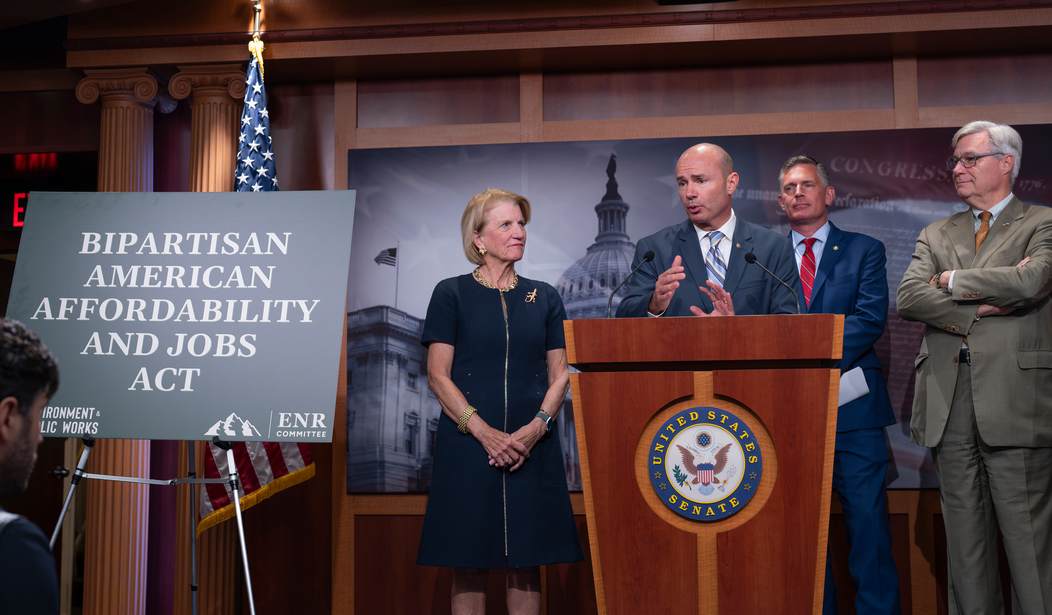
Affordability is a defining issue in this year’s midterm election, encompassing everything from the weekly grocery bill to whether a family can buy a home. But treating it as a single issue misses what makes it so difficult to address: Several different pressures, influenced by policies in various sectors, are hitting the same household budget.
Taxes determine how much of their paychecks families keep. Inflation erodes what that money buys. Energy costs affect both monthly utility bills and the price of getting goods to market. Competition influences the choices consumers have and the prices businesses can charge. Federal spending and borrowing affect the broader economic conditions in which all of those decisions and actions take place.
Republicans generally want government out of the way of businesses and consumers. On affordability, that means removing obstacles to production and construction, enforcing laws against anticompetitive conduct, and leaving more money in the hands of the people who earned it. Washington also needs to spend less.
September’s annual inflation rate reached 3.7 percent, up from 3.4 percent in August. Even when inflation slows, it doesn’t reverse the price increases families have already absorbed. A household that depleted its savings to cover necessities still has to rebuild those savings while paying the higher bills.
Energy is one place government policy can make a difference across multiple expenses. Farmers, manufacturers, truckers, grocery stores, and restaurants need fuel and electricity; their operating costs help determine what customers pay. More American production and reliable generating capacity can ease those pressures, provided the infrastructure gets built.
America First Policy Institute’s affordability plan recommends streamlining permitting and expanding nuclear energy alongside spending restraint and tax reform. Approving production without allowing the pipelines, transmission lines, and other facilities needed to deliver it won’t accomplish much.
Who pays for that infrastructure matters, too. Supporting President Donald Trump’s Ratepayer Protection Pledge, Sen. Katie Britt said:
“Data centers should pay for their own electricity, not hardworking Americans.”
The pledge calls for participating technology companies to cover the generation and infrastructure costs associated with their facilities. Families shouldn’t have to subsidize a technology company’s expansion through their utility bills.
Protecting competition is another legitimate government responsibility. In May, the Justice Department announced a proposed settlement with Agri Stats over information exchanges among meat processors that DOJ alleged suppressed competition and enabled higher prices.
“A fair market depends on real competition, not privileged access to competitors’ playbooks,” Associate Attorney General Stanley Woodward said.
The proposed agreement would restrict sensitive information sharing and make most reports available to interested domestic buyers. That addresses specific conduct allegedly giving processors an unfair advantage in negotiations with grocery stores, restaurants, and distributors.
Removing or greatly reducing the amount of costly and burdensome red tape businesses must deal with will increase affordability, especially in the housing sector, where "green energy" mandates alone can add $30,000 to the cost of a home. The White House’s March construction initiative targets those barriers. Reducing construction costs and delays gives more Americans an opportunity to "achieve the American Dream of owning a home."
On the income side, the 2025 tax law made the 2017 individual tax cuts permanent, preserving lower rates, an increased standard deduction, and an expanded child tax credit. As RedState has reported, it also provided deductions for qualifying tips and overtime, allowing eligible workers to keep more of their earnings.
Those gains can be undermined if Washington continues borrowing to finance excessive spending. Deficit reduction can ease inflationary pressure and borrowing costs, helping preserve the purchasing power tax relief is intended to provide.
Republicans should make that case in terms families can recognize: what it costs to fill the tank, whether another home gets built, how much disappears from a paycheck, and whether there’s anything left to save. Affordability requires sustained work on all of those fronts.
Editor’s Note: Thanks to President Trump’s leadership and bold policies, America’s economy is back on track.
Help us continue to report on the president’s successes and combat the Democrats' lies about America's economic revival. Join RedState VIP and use promo code FIGHT to receive 60% off your membership.

Join the Conversation
VIP members get the ability to comment on articles.