
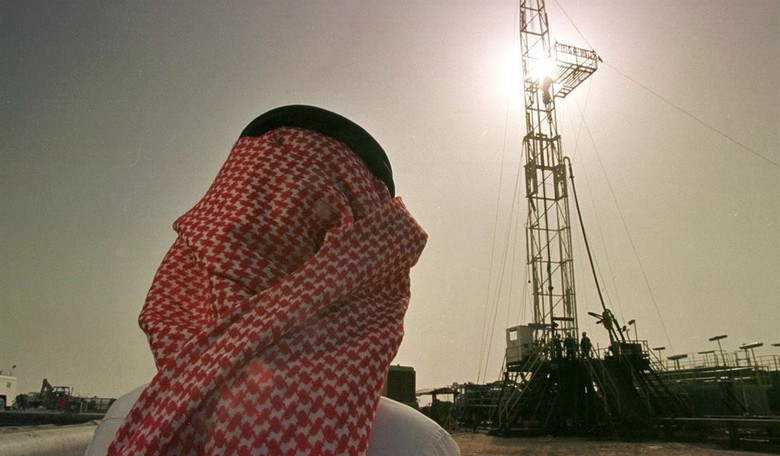
The fallout of the ongoing conflict in the Middle East is still making itself felt. This time, it's Europe; some people in Europe may be facing a long, cold winter along with higher gasoline and diesel fuel prices. Why? Because many European refineries get a significant portion of their petroleum from Saudi Arabia, and Saudis’ mainly state-owned oil company, Aramco, has told European refineries not to expect any crude oil shipments for the next month.
Saudi Aramco told at least two oil refining customers in Europe that they will be allocated no crude oil next month after the kingdom’s key pipeline to the Red Sea was attacked, people informed of the decision said.
European customers normally receive Saudi Arabian crude on so-called term contracts, ensuring a steady flow of supply every month. Those deliveries will not take place next month, the people said, asking not to be identified because the information isn’t public. The decision applies to all European buyers, they said.
Europe gets about seven percent of its crude from Saudi Arabia. While not a majority, it's enough to put the crunch on European pocketbooks.
The cessation of shipments to Europe is a result of the recent drone strike on a key Saudi Arabian pipeline, suspected to have been carried out by Iranian-backed militias operating in Iraq. The good news is that the Saudis are expecting to get the pipeline back up and running in a matter of weeks. That means, hopefully, that the Saudis will be able to resume shipments before winter arrives in earnest — assuming there are no further attacks on this vital pipeline.
Saudi Arabia was forced to shut its East-West pipeline last week after it was attacked by drones. The line is due to partially restart within days and be fully back up and running within six weeks, a person familiar with the matter said on Wednesday.
European refineries typically lift Saudi crude from Egypt’s Mediterranean port of Sidi Kerir, which is connected to the Red Sea via a pipeline.
The pipeline halt caused panic buying from some of Aramco’s customers. Poland’s Orlen SA issued more than ten tenders since Friday in a race to secure alternative supplies.
Europeans already pay significantly higher prices than Americans for energy products, especially gasoline and diesel fuel. Even at our current prices, Americans pay significantly less for gasoline, with the UK paying (adjusted for currency and volume) about $8.36 per gallon, France at $8.36, and Germany at $8.80. As of this writing, the American average for gasoline is $5.38 per gallon. This hopefully temporary cessation of Saudi crude is likely to cause those prices to bump higher in Europe. Other products, like home heating oil, will likely see a similar bump. It's not known whether the other suppliers will be able to fill the gap left by the Saudi shipment shutdown.
The good news for Europe is that those other major oil suppliers are as yet unaffected by the Iran conflict, those being the United States (14.6 percent), Kazakhstan (12.8 percent), Norway (12.8 percent), and Libya (9.1 percent).
As of this writing, American crude oil (USOIL) is trading at 97.90, with UK Brent (UKOIL) at 104.86.