
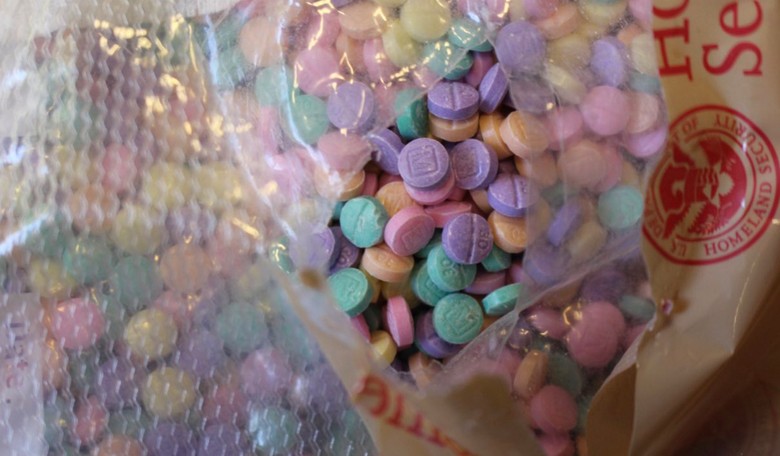
Just ten days ago, we brought you the remarkable news that fentanyl deaths in the United States had plunged a whopping 22 percent in a single year, with more than 10,000 fewer Americans dying from synthetic opioid overdoses in 2025 than had been recorded the year before.
White House spokeswoman Lauren Bis commented on the sharp decline in fentanyl-related deaths:
"President [Donald] Trump targeted cartels who were profiting off the death of Americans, secured our border to stop Fentanyl and other illicit drugs from flowing into our communities, and jumpstarted ICE to arrest illegal alien fentanyl traffickers."
This week, however, we're learning something even more astonishing about the fentanyl crisis that raged during Joe Biden's presidency. It turns out that federal drug agents were allegedly being told to watch massive shipments of the deadly drug make their way into American communities and do nothing about it.
The House Oversight Committee, chaired by Republican Rep. James Comer (KY-01), is now demanding answers from the Department of Justice (DOJ) about a controversial tactic used by the Biden Drug Enforcement Agency (DEA) that allowed massive quantities of fentanyl to "walk" into communities and kill Americans.
Investigators have been talking to DEA whistleblowers as they build cases against trafficking networks, and they were shocked by what they heard: up to 100,000 fentanyl pills had been allowed onto the streets and DEA agents did nothing.
The Biden Administration’s DEA allegedly allowed up to 100,000 fentanyl pills to hit the streets while agents watched.
— Oversight Committee (@GOPoversight) August 31, 2026
New Mexico saw fentanyl deaths rise nearly 21%.
Chairman @RepJamesComer is investigating how this was allowed to happen. 👇🏻https://t.co/2J2Zu1B8b0
The practice in question here is known as allowing drugs to "walk." The fentanyl pills were allowed to flow into American communities – all the while being monitored by agents – in order build cases against suspected fentanyl traffickers and take down trafficking networks.
In the meantime, scores of Americans died from overdoses.
During his first administration, President Trump instructed agents to "seize or otherwise prevent the distribution" of fentanyl "as soon as practicable." The Biden DOJ, however, rewrote those protocols in 2024 and gave law enforcement more discretion in allowing shipments to continue moving in order to preserve an investigation.
DEA whistleblowers in New Mexico say agents were ordered to do nothing instead of seizing hundreds of thousands of fentanyl pills. In one instance, agents sat and watched while couriers entered hotels carrying backpacks believed to contain as many as 100,000 pills each.
All the while, the DEA itself was telling Americans at the time: "One Pill Can Kill."
An enraged Rep. Comer wants answers.
“While DEA agents may not have the resources to intercept every single known shipment, a policy directing them not to intercept significant shipments is unconscionable and undoubtedly resulted in considerable harm and lives lost.”
Congress now wants to know why that same urgency apparently didn’t apply to the people whose job it was to stop those pills.