
It is an inevitability in the publishing game that we, on occasion, will deliver error-filled content. Being the flawed humans that we are means that at some point, we will become victimized by ourselves. Spelling errors, skewed details, missed contexts, getting dates wrong, and other factual foibles will take place…as I have heard from others (ahem).
In my coverage of the press, I do intend to lend a bit of grace on such matters, hoping I do not resort to nitpick notifications when these errors crop up. I prefer to focus more on those instances that derive from obvious problems, like avoidance of specifics or journalistic sloth. I still get surprised by the number of times a reporter is tripped up by choosing not to do basic research that would alleviate delivering embarrassing content.
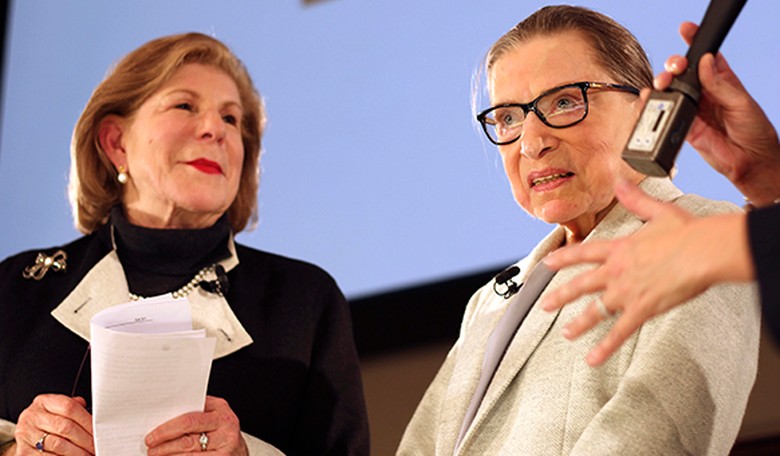
With that in mind, however, it seems valid to take a look at what is happening at NPR, specifically concerning its senior legal reporter Nina Totenberg. She was the Supreme Court correspondent who caused supreme embarrassment for the network when she rushed out a piece declaring that Justice Samuel Alito was retiring. This was a deeply quixotic occurrence, given that she reported that there had been an official SCOTUS announcement to that effect when no announcement had been made, and the 50-year veteran reporter chalked it up to a “rookie error.”
READ MORE: NPR Makes Less Sense the More They Explain How a False SCOTUS Retirement Report Made It to Broadcast
NPR took down her post rapidly, and Nina made a full mea culpa, as well as a personal apology to Alito; all well and good enough as it goes. One would think after such a snafu that added diligence would be the result of such an error, but curiously, instead, there has been a flurry of content problems delivered by the veteran reporter in the wake of this blowup.
Okay, this first maybe does fall into that niggling realm, with a June 29 report having a name misspelled.
In another ruling reported on that same day, regarding LEO geofencing, the result of the court ruling was wrong. “A previous version of this story incorrectly said the Supreme Court's majority found that the law enforcement technique known as geofencing violated the Fourth Amendment's prohibition against unreasonable searches. In fact, the justices sent the case back to a lower court to determine whether the search was ‘reasonable’ under the Fourth Amendment.”
The next day, Chief Justice Roberts had his name wrong, and a date on an administration firing had the year incorrect.
Also on the 30th, a correction had to be added about a fundraising ruling, as the report “incorrectly said the Supreme Court's ruling on campaign finance limits covered both fundraising and expenditures. In fact, the decision is focused on expenditures only.”
On the birthright citizenship case, there was an effort to get the final report on the ruling result correct. That vote tally had to be repaired on two occasions.
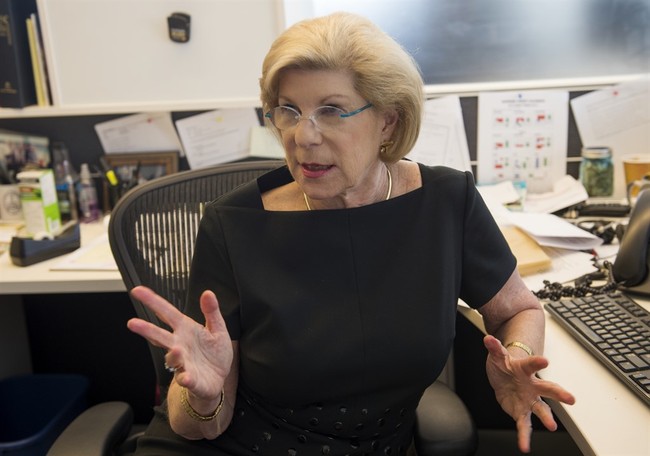
We grasp that court reporting is a difficult swamp to navigate at times, and many of these are understandable errors, but when they are committed in a string by the longtime legal reporter, you should question things more. And that list above does not entail the Alito retirement fiasco.
NPR had to do a bit of scrambling when the false report went up. The outlet published an explainer on why it was taken down, and Totenberg herself appeared on the air that same day to detail the how and why of what happened. She was also interviewed on Fox Live NOW to go through the specifics and own up to the error.
Spoke with NPR's Nina Totenberg about the birthright citizenship decision. The longtime SCOTUS reporter also cleared up what happened today with the story about Justice Alito retiring that was quickly retracted. @livenowfox pic.twitter.com/mSeRKVpYez
— Andy Mac (@ItsAndyMac_) June 30, 2026
So much of that misreporting simply does not add up. This was a reporter with decades of experience running a story unverified, with no confirmation or quotes provided of direct comments. Why did she cite an official statement on Alito’s retirement when no such statement had been made? And how does the network explain it has an added layer of editing to prevent false reporting, but then stated they bypassed this step entirely, leading to a false report being published?
There is speculation that Totenberg may have been taken in by a trap set by Alito to ferret out a possible leaker in the Court. Or he may have fed comments to Justice Sonia Sotomayor — a confidant of Totenberg’s — to intentionally mislead the reporter.
The only way the Totenberg-Alito story makes sense is that this veteran NPR legal reporter had a trusted and highly placed source inside SCOTUS who confirmed that Alito was retiring.
— Miranda Devine (@mirandadevine) July 1, 2026
- No editor would publish such a story unless the reporter were reliable.
- A reliable reporter…
Whatever explanation there is for that major mistake, and the slew of others seen from Totenberg in just the past few weeks, this collection of corrections raises questions. One would expect that after such a significant reportorial error, more attention to detail would emerge at NPR.
The jury is still out on whether this will be the case going forward.