
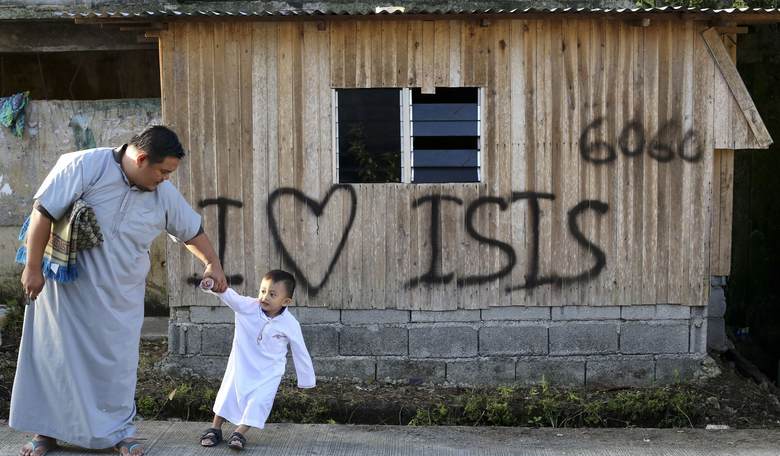
Operation Inherent Resolve was the name for the United States' mission to wipe the planet clean of the threat that was the Islamic State, known as ISIS, in Iraq and Syria. The operation began in June 2014, and wrapped up in Syria in June of 2026. Since the operation began, U.S. Central Command (CENTCOM) estimates that American and allied forces have swept the board mostly clear of ISIS fighters, with 110,000 square kilometers and over 7 million people liberated from ISIS control.
On Wednesday, CENTCOM announced that the mission was accomplished, and that Operation Inherent Resolve was ended.
— U.S. Central Command (@CENTCOM) September 30, 2026
CENTCOM reports:
U.S. Central Command (CENTCOM) completed the orderly departure of U.S. forces and equipment from Erbil Air Base, Sept. 30, marking the end of the Operation Inherent Resolve mission in Iraq.
The move from Iraq is part of a planned transition to a U.S.-Iraq bilateral defense relationship. Combined Joint Task Force-Operation Inherent Resolve (CJTF-OIR) remains operational and is now headquartered in Jordan as U.S. forces continue the counter-ISIS mission in Syria alongside Coalition partners and the Syrian government.
CJTF-OIR has advised, assisted, and enabled partner forces in the fight against ISIS in Iraq and Syria since CENTCOM established the unit in 2014.
Note that the mission isn't completely ended, just the portion in Iraq. The headquarters element remains in theater, headquartered in Jordan, and operations are still ongoing in Syria, reportedly working with the new, post-Assad government there.
The CENTCOM commander, Admiral Brad Cooper, praised the veterans of Inherent Resolve in a statement:
“Job well done to the tens of thousands of American service members, diplomats, and civilian personnel who answered the call in Iraq,” said Adm. Brad Cooper, CENTCOM commander. “Because of your grit, sacrifice and professionalism, ISIS no longer poses a systemic threat to Iraq’s national security and Iraqi security forces, including the Peshmerga and other Iraqi Kurdistan Region security forces, now possess the capacity, leadership, and operational independence to unilaterally manage threats to their homeland.”
CENTCOM had started drawing down forces in this operation last October. Now, with this, the last of those troops from the Iraq side of this operation will be coming home. And, as a bonus, we might observe that this withdrawal didn't involve panicking people clinging to the landing gear of departing C-17s — or the United States leaving behind millions of dollars worth of modern arms and equipment, unlike some other withdrawal operations we might name. The exit from Erbil was planned, coordinated with the locals, and cleanly executed; that's more than we can say for the withdrawal from Afghanistan, which was perhaps the most botched, fouled-up military withdrawal in modern history.
ISIS remains a threat, although a badly beaten-up one. They have been mostly removed from Iraq, but some Iranian-backed militias are still operating there; the recent attacks on a pipeline in Saudi Arabia are suspected to have been launched from Iraq, from just such a group. There's no such thing as a permanent peace in this part of the world; but for now, it seems ISIS has been tamped down enough for the locals to handle it.
We hope.