
On Tuesday, the Civil Rights Division of the Department of Justice (DOJ) announced it had reached a $5 million settlement with the popular grocery delivery service Instacart after accusations of allegedly discriminating against American workers. The settlement reached between the DOJ and Maplebear Inc., which operates Instacart, a service that provides customers with groceries delivered to their homes, alleges that the company intentionally discriminated against U.S. and American workers based on country of origin. The DOJ states it is a violation of the Immigration and Nationality Act (INA) and Title VII of the Civil Rights Act of 1964 (Title VII).
Major win for protecting U.S. workers! Instacart has agreed to a $5 million settlement for discrimination during PERM recruitment. Thank you @andrealucasEEOC for your partnership in getting a great result and sending a message that this administration holds companies accountable. https://t.co/PCTPAdR2Up
— AAGHarmeetDhillon (@AAGDhillon) October 20, 2026
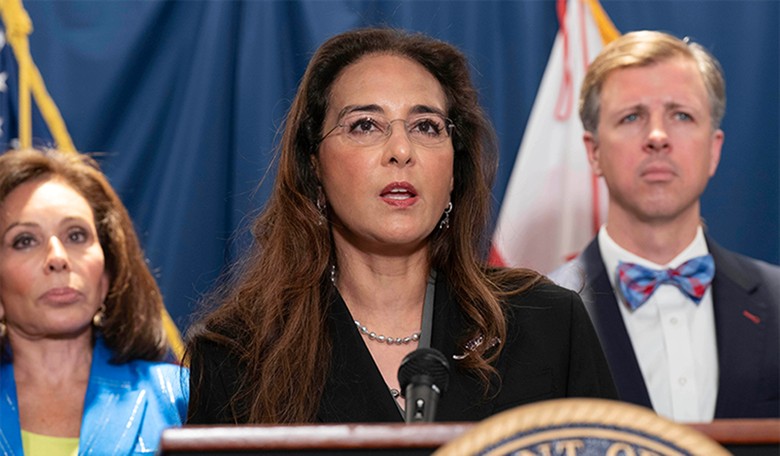
The DOJ alleges that between December 2023 and February 2026, Instacart misused the Permanent Labor Certification (PERM) process by forcing American applicants to mail applications to the company, instead of using the standard electronic process. The PERM program permits employers to sponsor temporary visa workers for permanent residence in the U.S. But companies that use the program are required to make sincere efforts to first hire Americans before foreign workers. Assistant Attorney General Harmeet K. Dhillon said of the settlement:
"This significant resolution marks the 15th settlement agreement the Civil Rights Division has reached under my leadership to protect U.S. workers. Our record demonstrates that the Justice Department is holding companies who prefer workers with temporary employment visas accountable. We will not stop fighting for U.S. workers until there is a fair playing field."
Under the terms of the settlement, Instacart is required to set up a $4 million fund to compensate any applicants who may have been a victim of the alleged discriminatory process, and pay $1 million in civil penalties.
@Instacart When a company discriminates against Americans, the appropriate response is a lifetime boycott of that comany. $5M dollars is a slap on the wrist for such disgusting behavior. https://t.co/9JPqsqwj30
— Rick Saunders (@twobenjamins) October 20, 2026
The Equal Employment Opportunity Commission (EEOC) worked in conjunction with the DOJ on what was dubbed "Project Firewall." Andrea Lucas is chair of the EEOC and said of the joint effort:
"Today’s settlement makes clear that when employers erect unlawful barriers that harm American workers, the EEOC will act decisively. The EEOC is committed to holding companies accountable when they deny equal work opportunities to U.S. workers by preferring temporary visa holders for jobs. Discrimination against workers based on their American national origin has no place in our economy."
It is unclear if Instacart is just another example of companies and corporations giving American workers the short end of the stick once again. Foreign worker programs like the H-1B visa program have come under intense scrutiny by the Trump administration. In September, President Trump signed an executive order that required federal agencies to determine if H-1B sponsors laid off or planned to lay off American workers during visa filing reviews.
Instacart isn't a federal agency, but you would think they might pay attention to what was happening regarding those federal agencies and foreign workers. An Instacart spokesperson stated:
"We're proud to be a U.S.-based grocery technology platform, employing thousands of American workers and serving millions of customers, retailers, shoppers and brands. We encourage qualified U.S. jobseekers to apply to join our team. Hiring and investing in American workers across our U.S. business is our priority, and we actively promote every role across many channels to ensure qualified U.S. candidates are always first in line for opportunities. While we maintain that our practices complied with all applicable laws and regulations, we’re pleased to have resolved this matter so we can keep our full focus on delivering on our mission for customers, shoppers, retailers and brands."
Did you know that EBT/SNAP grifters can use Instacart? Taxpayers are paying for non-workers to live an upper middle class lifestyle https://t.co/qD7TU8HeQa
— Steve Ferguson (@lsferguson) October 16, 2026